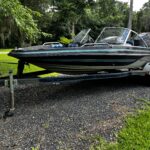
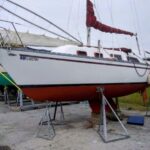
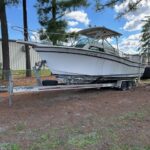
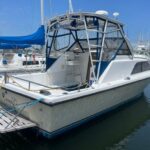
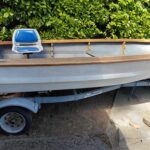


Boat towing is an essential aspect of Boat Removal Service, whether it involves us transporting a vessel on land, towing a boat on the water, or assisting a disabled vessel. While towing may appear straightforward, it involves significant safety considerations, specialized equipment, and a clear understanding of operational requirements. Improper towing can result in damage to vessels, vehicles, or infrastructure, and in severe cases, cause injuries or fatalities. A large part of our boat removal service includes the towing aspect of removal. The article below dives into boat towing, covering land and water towing, equipment requirements, safety principles and best practices. As a customer we handle the complete removal of a boat including towing by water or land.
Towing Yachts & Motorboats by Water

At Boat Removal Service we tow boats, yachts, jet skis, catamarans, wave runners, cabin cruisers, bowriders, pontoon boats, sundecks, fun decks, power and motorboats of any and all size. If your boat is on the water inoperable, stuck and ready for removal talk with Boat Removal Service today.
Towing Sailboats & Catamarans by Water

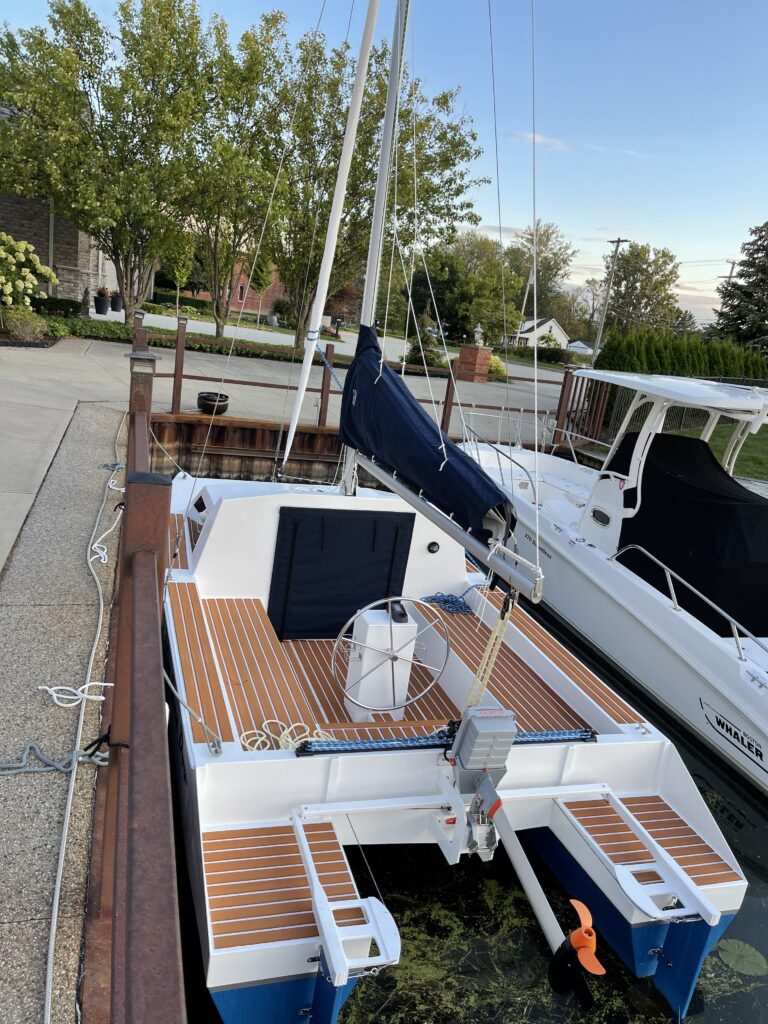
Part of the service in our full boat removal package includes towing sailboats of all dimensions, you’ll be asked to provide the basics such as length, beam and draft. If you’re unsure we’ll ask for make, model and year. If you’re still unsure send a picture of the sailboat to 844-SUNKEN1 and we’ll start there!
Towing Boats by Land

We load, haul and transport all boats on land. If your boat is disposal bound, then speak with Boat Removal Service to discuss our options. If your oversized boat is too large or inefficient to transport we’ll dispose of it where it sits.
Towing Sailboats by Land

If your sailboat is ready to be decommissioned we can help. Boat Removal Service disposes of, and transports old sailboats of all dimension. If your oversized sailboat is too large or inefficient to transport we’ll dispose of it right where it is.
Continue reading the guide below to boat towing which covers land and water towing, equipment requirements, safety tips, legal regulations, and best practices to help you tow a boat safely and confidently.
Understanding equipment requirements, practicing sound driving and boating techniques, and complying with legal regulations help ensure that towing operations are safe and efficient. By approaching boat towing with respect and diligence, boaters can protect their investments, safeguard lives, and enjoy their time on the water with confidence.
Boat towing is a critical skill for recreational boaters, fishing enthusiasts, and marine professionals alike. Whether you are towing a boat on a trailer to a launch ramp or towing a disabled vessel on the water, understanding the correct procedures is essential for safety, compliance, and protecting your investment.
What Is Boat Towing?
Boat towing refers to the process of transporting or pulling a boat using another vehicle or vessel. There are two main types:
- Land-based boat towing – Transporting a boat on a trailer using a car, truck, or SUV
- Water-based boat towing – Pulling a boat through water using another boat, typically for rescue, assistance, or recreational activities
Each type of towing requires specialized equipment, proper technique, and awareness of safety regulations.
Understanding Boat Towing
As stated above, boat towing generally falls into two main categories: land towing and water towing just to recap:
Land towing refers to transporting a boat on a trailer using a vehicle, typically from storage to a launch ramp or vice versa. This is the most common form of towing for recreational boat owners.
Water towing, on the other hand, involves pulling a boat through water using another vessel. Many of our customer in need of Boat Removal Services will also need boat towing assistance when their boat is disabled on the water.
Although these two forms of towing differ significantly in technique and equipment, they share core principles: proper load distribution, secure attachment points, controlled speed, and constant situational awareness.
Boat Towing on Land
Towing Vehicles and Capacity
The first consideration in land-based boat towing is ensuring that the towing vehicle is capable of handling the load. Every vehicle has a maximum towing capacity, determined by the manufacturer. This capacity includes the combined weight of the boat, trailer, fuel, equipment, and any additional cargo.
Exceeding a vehicle’s towing capacity can lead to brake failure, transmission damage, loss of control, and increased stopping distance. Equally important is the tongue weight, which is the downward force exerted by the trailer on the hitch. Improper tongue weight can cause trailer sway, making towing extremely dangerous at highway speeds.
Boat Trailers
Boat trailers are designed to support the hull while allowing easy launching and retrieval. There are several types of trailers, including:
- Bunk trailers, which use carpeted wooden or composite supports to cradle the hull.
- Roller trailers, which use multiple rollers to facilitate easier loading and unloading.
- Hybrid trailers, which combine bunks and rollers.
The trailer must be correctly sized for the boat and in good condition. Critical components include the frame, axle, suspension, lights, tires, and winch. Regular inspection is essential, as trailer failures are a leading cause of roadside breakdowns involving boats.
Hitch Systems and Safety Chains
A secure hitch connection is vital. Common hitch types include ball hitches, gooseneck hitches, and fifth-wheel hitches, though ball hitches are most common for boat trailers.
Safety chains should always be crossed beneath the trailer tongue and attached securely to the towing vehicle. This configuration helps prevent the trailer from dropping to the ground if the hitch fails. Additionally, many regions require breakaway brake systems for heavier trailers, which automatically apply the trailer’s brakes if it becomes detached.
Loading and Securing the Boat
Proper loading is essential for stable towing. The boat should be centered on the trailer, with its weight evenly distributed. Tie-down straps should secure the stern, and a winch strap or chain should hold the bow firmly against the bow stop.
Loose equipment inside the boat should be removed or secured to prevent shifting during transit. Covers can protect the boat from debris, but they must be tightly fastened to avoid flapping, which can cause damage.
Boat Towing on Land: Trailer Towing Explained
Choosing the Right Towing Vehicle
One of the most important aspects of boat towing is selecting a vehicle with adequate towing capacity. The towing vehicle must be capable of handling the combined weight of the boat, trailer, fuel, and gear.
Key factors to consider include:
- Manufacturer-rated towing capacity
- Tongue weight (typically 5–10% of total trailer weight)
- Braking system capability
- Suspension and drivetrain strength
Exceeding your vehicle’s towing capacity can lead to brake failure, trailer sway, and loss of control.
Boat Trailer Types and Setup
A properly matched trailer is essential for safe boat towing. Common trailer types include:
- Bunk trailers – Support the hull using carpeted bunks
- Roller trailers – Use rollers to simplify launching and retrieval
- Hybrid trailers – Combine bunks and rollers for added convenience
The trailer must be the correct size for the boat and in good mechanical condition.
Hitch Systems, Safety Chains, and Brakes
A secure hitch connection is critical for safe towing.
Best practices include:
- Using the correct hitch class and ball size
- Crossing safety chains under the trailer tongue
- Ensuring trailer brakes are functional
- Using a breakaway brake system where required
These components help prevent accidents if the trailer becomes disconnected from the towing vehicle.
Loading and Securing the Boat for Towing
Improperly secured boats are a major cause of towing accidents.
To secure your boat properly:
- Center the boat on the trailer
- Use stern tie-down straps
- Tighten the bow winch strap
- Remove or secure loose gear
- Install a fitted boat cover if needed
A properly secured boat reduces sway and prevents damage during transport.
Driving Tips for Safe Boat Towing
Towing a boat changes how your vehicle handles. Drivers should adjust their driving habits accordingly.
Important towing tips include:
- Allowing longer stopping distances
- Avoiding sudden lane changes
- Reducing speed in windy conditions
- Taking wider turns
- Practicing backing up with a trailer
If trailer sway occurs, gradually reduce speed without sudden braking.
Driving Techniques When Towing a Boat
Towing a boat significantly alters vehicle handling. Acceleration is slower, braking distances are longer and turns require a wider radius. Drivers should adopt defensive driving techniques and remain aware of their increased stopping distance.
Speed should be moderated, especially in windy conditions or on uneven roads. Sudden lane changes can induce trailer sway, which is one of the most dangerous situations a towing driver can encounter. If sway occurs, the driver should gradually reduce speed without sudden braking and keep the steering wheel steady.
Backing up with a trailer requires practice and patience. Small steering inputs can result in large trailer movements. Many experienced boaters recommend practicing in an empty parking lot before attempting crowded launch ramps.
Launching and Retrieving a Boat
Boat ramps are unique environments that require coordination, courtesy, and preparation. Before backing down a ramp, drivers should prepare the boat in a staging area by removing tie-downs, inserting drain plugs, and checking that the engine is ready.
When launching, the trailer should be backed into the water just far enough for the boat to float free. After launching, the vehicle should be moved promptly to allow others access to the ramp.
Retrieval requires careful alignment of the trailer and boat. Using guideposts and winches correctly helps prevent damage to the hull and trailer. Rushing this process often leads to accidents, so patience is critical.
Boat ramps require preparation and courtesy.
Before launching checklist:
- Remove tie-downs
- Install the drain plug
- Prepare dock lines and fenders
When retrieving the boat checklist:
- Align the trailer properly
- Use guideposts if available
- Winch the boat securely onto the trailer
Efficient ramp use improves safety and reduces congestion.
Boat Towing on Water
Water towing involves different risks and techniques compared to land towing. It may include towing recreational equipment, assist stranded vessels, or participate in professional towing services.
Recreational Towing
Recreational water towing includes activities such as towing water skiers, wakeboarders, inflatable tubes, or parasails. These activities require specialized tow ropes designed to handle high loads and resist water absorption.
The towing vessel must have sufficient power and stability to pull riders safely. Operators should maintain a constant speed appropriate for the activity and remain alert for signals from the rider and spotter. Many jurisdictions require a designated observer in addition to the operator.
Towing Disabled Boats
Towing a disabled vessel requires caution and planning. The towing boat should be larger or at least comparable in size and power to the disabled vessel. A proper tow line, typically made of nylon for its elasticity, should be used to absorb shock loads caused by waves.
The tow line should be attached to strong points on both vessels, such as cleats or towing posts, and should never be wrapped around hands or limbs. Communication between the vessels is essential to coordinate speed changes and maneuvers.
Towing Formations
There are several common towing configurations used on water:
- Single-line towing, where the disabled boat follows directly behind the towing vessel.
- Alongside towing, useful in calm conditions and tight spaces, such as marinas.
- Bridle towing, which uses two attachment points to distribute load evenly.
The choice of method depends on conditions, vessel size, and the nature of the situation.
Towing a Disabled Boat
Towing a disabled boat should only be done when conditions are safe.
Key considerations include:
- Using a nylon tow line to absorb shock
- Attaching lines to strong cleats
- Maintaining slow, controlled speeds (our average is 5-6 knots depending on the waterway)
- Communicating between vessels
Never tow from railings or wrap tow lines around hands.
Common Water Towing Methods
There are several effective towing configurations:
- Single-line towing – Best for open water
- Alongside towing – Ideal for calm conditions and docking
- Bridle towing – Distributes load evenly across cleats
The towing method should match the situation and environmental conditions.
Safety Considerations in Water Towing
Safety is paramount in water towing operations. Operators must account for wind, current, wave action, and traffic. Sudden changes in direction or speed can cause collisions or capsize smaller vessels.
Life jackets should be worn by all occupants, and emergency equipment such as knives, radios, and signaling devices should be readily accessible. In professional towing scenarios, operators often receive specialized training to manage high-risk situations.
Boat Towing Safety Tips
Safety should always be the top priority when towing a boat.
Best safety practices include:
- Wearing life jackets during water towing
- Monitoring weather conditions
- Avoiding congested waterways
- Carrying emergency communication devices
- Keeping knives accessible to cut tow lines if needed
Preparation can prevent minor issues from becoming emergencies.
Boat Towing Laws and Regulations
Boat towing laws vary by location.
On land, regulations may include:
- Trailer lighting and reflectors
- Brake requirements
- Speed limits
- Load securement standards
On water, regulations may govern:
- Towing distances
- Observer requirements
- Speed restrictions
- Commercial towing permits
Always check local and state regulations before towing.
Boat Towing Equipment Maintenance
Regular inspection and maintenance of towing equipment reduces the risk of failure.
Maintenance checklist:
- Inspect trailer tires and bearings
- Check hitch and coupler wear
- Test trailer lights
- Examine tow ropes for fraying
- Lubricate winches and moving parts
Preventive maintenance saves time, money, and stress.
Equipment Maintenance and Inspection
Regular maintenance of towing equipment is critical for safety and reliability. Trailers should be inspected for rust, worn bearings, cracked frames, and functioning lights. Tires should be checked for proper inflation and tread depth.
Tow ropes and lines should be examined for fraying, knots, or UV damage. Winches, hooks, and shackles should be free of corrosion and operate smoothly. A proactive maintenance approach reduces the likelihood of failures during towing operations.
Environmental and Ethical Considerations
Boat towing also has environmental implications. Improper launching and retrieval can damage shorelines and aquatic habitats. Towing at excessive speeds can create wakes that erode banks and disturb wildlife.
Responsible towing practices include minimizing wake near shorelines, avoiding sensitive areas, and ensuring that boats and trailers are free of invasive species before transport. Ethical boating promotes safety, sustainability, and respect for shared waterways.
Environmental Responsibility in Boat Towing
Responsible boat towing protects waterways and ecosystems.
Eco-friendly towing practices include:
- Minimizing wake near shorelines
- Avoiding sensitive habitats
- Cleaning boats and trailers to prevent invasive species
- Using ramps properly to avoid shoreline damage
Common Mistakes and How to Avoid Them
Many towing accidents stem from avoidable mistakes. Common errors include exceeding towing capacity, failing to secure the boat properly, neglecting trailer maintenance, and underestimating stopping distance.
On the water, mistakes often involve using inadequate tow lines, poor communication, or towing in unsafe weather conditions. Education, preparation, and adherence to best practices significantly reduce these risks.
Common Boat Towing Mistakes
Avoid these common towing errors:
- Exceeding towing capacity
- Ignoring trailer maintenance
- Poor load distribution
- Using inadequate tow lines
- Towing in unsafe weather conditions
Preparation, studying the waterway, and route will significantly reduce accident risk.
Professional Boat Towing Services
When towing is beyond your capability, Boat Removal Services marine towing, removal and salvage services provide safe and reliable assistance. These services offer:
- Specialized towing vessels
- Trained operators
- Insurance coverage
Boat towing services is a portion of the full boat waste solutions we provide. If you’re not looking for disposal or salvage rather just boat towing memberships for water tows try Sea Tow, Boat US, Flagship Towing or Local Water Tow Membership services in your area. Our trained teams, provide Complete Boat Removal Services for the purpose of salvaging or disposing of a boat entirely. Our operations can start on water and end on land.
Boat towing is a multifaceted activity that requires knowledge, skill, and responsibility. Whether towing a boat on land to a favorite launch site or assisting a disabled vessel on the water, proper preparation and adherence to safety principles are essential.
Tow Your Boat with Confidence
Boat towing is a skill that requires knowledge, preparation, and attention to detail. Whether you’re towing a boat on a trailer or assisting another vessel on the water, following best practices ensures safety and a stress-free experience.
By using the right equipment, maintaining your towing setup, and staying informed about regulations, you can tow your boat safely and confidently wherever your adventures take you.

Will Boat Removal Service take boats from anywhere?
Challenge Accepted, We Take ALL Boats
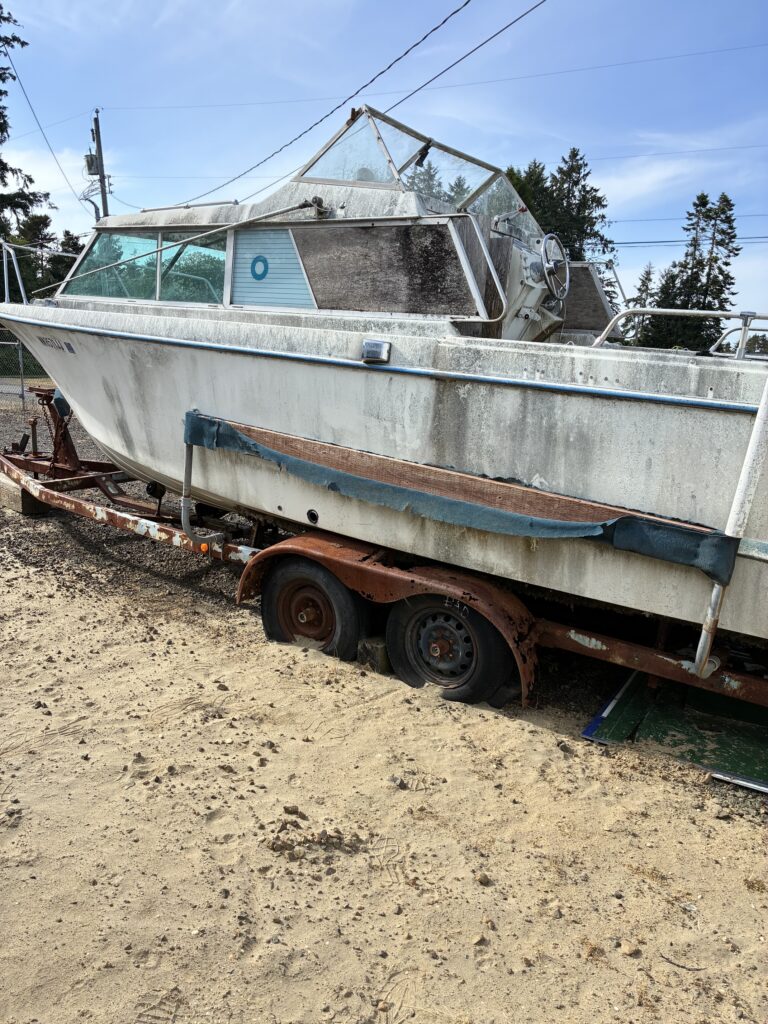
At BoatRemovalService.com your Boats Removal is what we do best from sinking in Florida to driveway rotting in Washington. We take boats from every nook and cranny in the US. We take huge yachts and catamarans, sailboats with massive keels, small bass boats with sun dried tires and rusty broken axels. Start Your Boat Removal Now.
We Take All Boats – Plain & Simple


How fast can I get rid of my boat?
Super Fast Boat Removal Services

Your Boats Removal, Our Priority. However long it takes to sign our digital agreement with “clear as day” pricing & terms, then add 1-3 days in most scenarios, and 3-5 days in other scenarios (your removal date will be scheduled ASAP). We offer rush services for sinking boats, derelict boats, abandoned vessels, and home closings, and commonly do same day and next day boat removal services when requested. We provide urgent, nationwide boat removal, boat towing and transport for all types of vessels. Get Rid of Your Junk Boat Now.
Do I need to be at the boat’s location for pickup?
A Customers Prescence Is Welcomed, But Not Required
Your presence is optional, in fact many past, present and scheduled clients were, are or plan to be out of town or out of country. We will send pictures of the boat being removed and we will coordinate with you, the marina or storage facility, your attorney or any 3rd party involved. Get Prices Here.
What documents or paperwork is need to remove a boat?
No We Do Not Require Paperwork for Boat Removal
We do not require titles or certificates, although having paperwork will result in a cheaper cost of removal. Some companies or services may require the vessels state title and registration or Coast Guard certificate of documentation, those companies pick and choose boats they believe have value, therefore requiring paperwork. Whereas we dispose of all boats, plain and simple. Ask Boat Removal Questions Now.
Can I do boat removal and disposal DIY?
Boat Removal DIY Isn’t Exactly Cheap
Yes you can get rid of boat without professional services, however, in our experience completing boat removal on your own ends up costing the same, and usually more primarily because we have the right boat trailers, float devices and pumps, dismantling boatyards, boat junkyard storage space, equipment and wrecking machinery to ensure the process is done completely – and as smooth as possible. Get a Professional Boat Removal Quote Here.


What happens to my boat after it’s picked up, or removed?
What happens to my boat after it’s picked up is the best question in boat removal. At Boat Removal Service we assume full liability and ownership of your vessel via title transfer, USCG bill of sale notarized, and contracted agreement. After hiring us, we initially assess and determine the vessels conclusion. Determining factors do take into consideration many things such as vessel location; most vessels are transported to our boat junkyards for storage and slotted for destruction, dismantled onsite, parted out at recycling facilities or destructed and dumped. Almost all boat’s are handled differently in one way or another, and yet the same in many aspects. Materials are responsibly recycled if applicable, or fully disposed of if needed. All of our practices aim at keeping waterways clean and safe, and keeping customers bottom line at heart. Get Next Steps Here.


Does Boat Removal Service recycle boats?
We Recycle, Salvage or Repurpose Boats
Yes, we recycle and salvage boats and sailboats. Before disposing of a boat our team will determine the recyclability of the vessel.
What should I do if I have a red tag or my vessel is marked as derelict or abandoned?
The stickers should have the enforcement agents contact info or dept information. Contact them for questions or concerns, and exhaust efforts to remove and dispose of the boat.
The materials and opinions on this website are experience based and intended for informational purposes only & should not be interpreted as legal advice or legal opinion. Contact your local bar, or a maritime attorney for a legal consult.
Contact Boat Removal Service for Expedited Derelict Vessel Disposal
Don’t delay, get rid of the derelict & abandoned boat today!
Boat Removal Service assumes liability of the vessel on contractual terms and arrival to the vessel.
We Remove Derelict Sailboats, Yachts, Small Boats, Sunken Boats, Catamarans and ALL Boats.
Can I light my fiberglass boat on fire?
Burning a Fiberglass Boat Is Not a Good Look
The short answer is no; that might be considered arson. Lighting a boat on fire is not recommended at all, a large fiberglass object does not react the same as wood in your fire pit, not even close. If you think the junk boat was ugly before, well it gets uglier.
This may seem like a strange question, but past customers have called on us to remove a burnt vessel most likely due to unforeseen circumstances. How it was burnt is not our business, disposing of it is.
Examples of Boats Not Intentionally Burnt
Although, many of the boat fires happen accidentally or from electrical issues gone wrong; there are also those who ask the question… can I just burn my boat?


When a boat is lit on fire it just morphs into an uglier version of what it was before the boat roast.
Also, if the boats on fire in shallow water, it’s worse… the weight of the boat melts downward making the boat bottom heavy, less buoyant and all the more difficult to remove and maneuver… which means a more costly boat removal service.
Does Boat Removal Service take small boats, jet skis and wave runners?
Yes Boat Removal Service picks up small boats, junk boat debris, jet skis, wave runners and any water craft. Schedule Your Small Boats Pickup.


What if my boat trailer is broken, or the tires are flat?
No Problem. Many of the boats we remove are sitting on broken trailers. Our team will arrive with the right equipment and your boats removal will continue untethered. Broken unroadworthy trailers are expected. If a boat is on a trailer that is to go with the boat; a coordinator will ask the roadworthiness of the boats trailer (if applicable), and our team will arrive with the proper equipment. Get Rid of Your Broken Trailer & Boat Now.


Does Boat Removal Service take sailboats?
Yes, we take all sailboats in every corner of the US, from the water floating or sinking to boat stands in your yard, driveway or at the marina or storage facility. Let Your Old Sailboat Go.


Boat Removal Reviews

Quality service
The lady I corresponded with (April) is customer service pro.
Response from Boat Removal Service
Thank you for the kind review Daniel!
Perfection
Super quick response! Sold a home in Michigan with an old boat in water with no trailer that I needed to dispose of. Three days after contact boat is gone.
Response from Boat Removal Service
Pleasure to assist Ron – It was a interesting job lol. Good luck with the sale of your home!
Pop up tent trailer removal
Outstanding customer service and staff!
Outstanding customer service!!!
Very professional staff and did a quick job in removing my pop up tent trailer!
Organized and Knowledgeable National Boat Removal
Our 25 year boat was beyond repair and we were looking for quick and knowledgeable disposal. Contractor sent was very helpful and process was done quickly at an affordable price.
Response from Boat Removal Service
So glad to hear everything went smooth, and as planned. Ty for your review, and more importantly your business!
Review Boat Removal Service Below 👇
Past customer with a minute⏱️to spare? Review us here: Boat Removal Reviews