

Boat Removal near Georgia: A Detailed Guide to Getting a Junk Boat Gone Without the Runaround
If you are searching Boat Removal near Georgia, you are probably dealing with a boat that has turned into a job you never really wanted.
Maybe it is sitting on a trailer in your driveway and you are tired of working around it. Maybe it is parked behind your shop or on a side lot and it is slowly becoming part of the landscape. Maybe it is at a storage yard and you are tired of paying monthly fees for something you do not use. Or maybe you inherited it, bought a property and it came with it, or someone left it behind and now it is your problem.
Boats are tricky to remove because they are not like normal junk. They are big, awkward, and often tied to a trailer that may not be safe anymore. Even when the boat itself looks light, the full setup might not roll, might be stuck in the ground, or might be too fragile to move without it cracking or dropping debris.
The good news is this: junk boat removal can be simple when the plan matches reality. That means the pickup method needs to match the condition of the boat, the condition of the trailer, and the access at your property or facility.
This guide covers what Boat Removal near Georgia usually involves, what affects cost, how pickup typically works, what you should do before removal day, what happens after the boat is hauled away, and how to avoid the mistakes that cause delays. We pickup, haul and tow away junk boats near: Atlanta, Augusta, Columbus, Macon, Savannah, Sandy Springs, South Fulton, Athens, Roswell, Johns Creek.
What “Boat Removal” Usually Means (So You Know What You’re Actually Asking For)
People say “boat removal” but mean different things. Your situation determines the plan.
Boat removal from private property
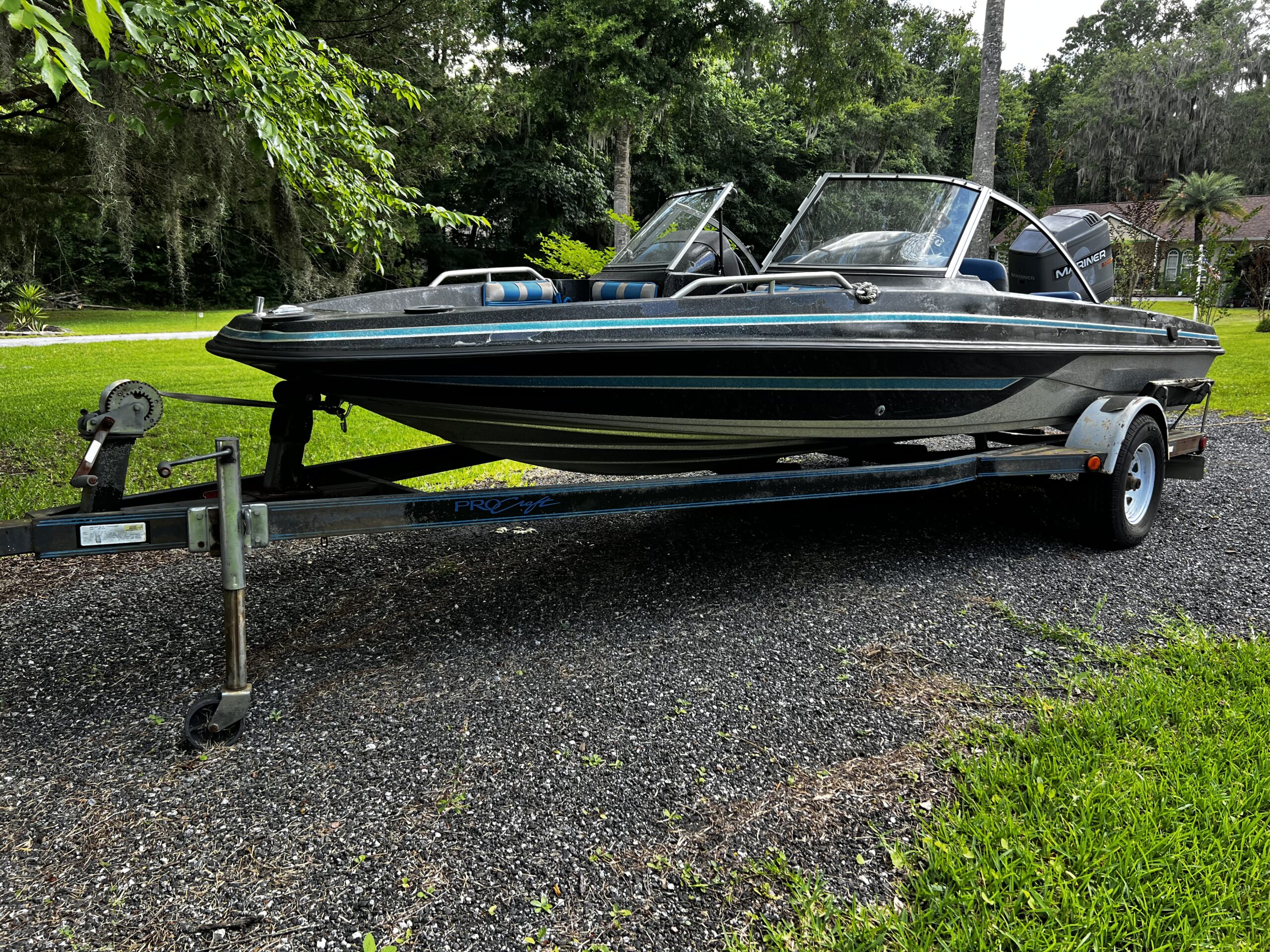
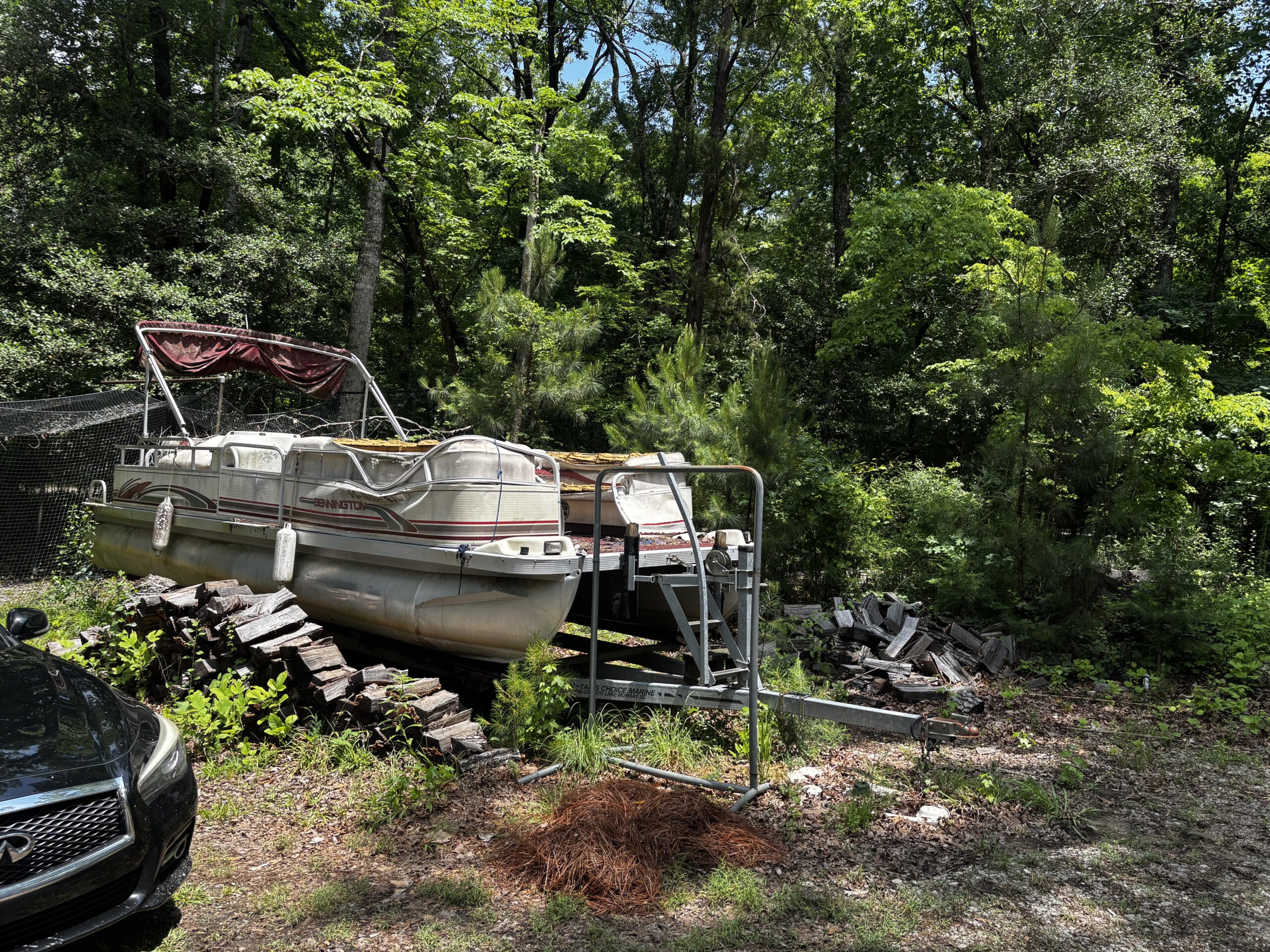
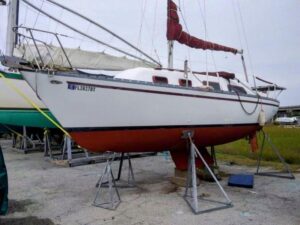
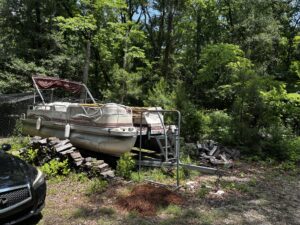
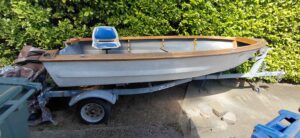
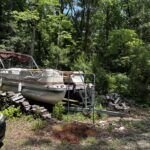
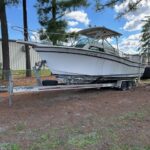
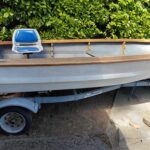
This is the most common scenario. The boat is sitting on land at a home, rural property, driveway, backyard, or side lot. It might be on a trailer, blocked up, or resting directly on the ground.
Boat removal from a storage yard
This usually comes with urgency. People want the boat gone before the next invoice hits or before the facility starts pressuring them to move it.
Boat removal from marina areas or facility yards
Sometimes a boat is stored near a marina, launch area, or waterfront facility yard. Removal can still be straightforward, but it may require coordination, scheduling, and following facility access rules.
Junk boat removal with disposal handling
This is what most people truly need. You are not trying to relocate the boat to another corner. You want it removed and handled in a way that gets it off your responsibility.
The Trailer Is Usually the Real Problem
A boat can be junk, but a trailer can be the reason the boat feels impossible to move.
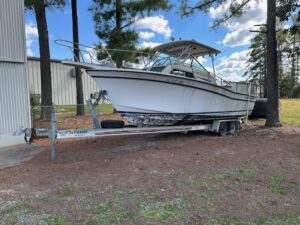
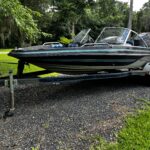
A boat on a solid trailer can often be removed by towing the trailer away. A boat on a bad trailer usually needs a different plan, like loading and hauling, or controlled repositioning before it can be removed.
Signs the trailer might still be towable
A trailer is more likely to be towable if:
- Tires hold air and do not look dangerously cracked
- Wheels roll freely without grinding or locking
- Bearings are not seized
- The coupler latches properly
- The tongue and frame look solid
- The winch stand is stable
- The boat is strapped down and does not shift
Even if the trailer “looks okay,” it can still surprise you if it has been sitting for years. But these signs usually mean towing is at least possible.
Signs the trailer is not roadworthy
These issues are extremely common on boats that have sat for a long time:
- Flat tires that will not hold air
- Dry rotted tires that look ready to split
- Seized bearings or locked hubs
- A coupler that does not latch or feels unsafe
- Rust that looks structural, not cosmetic
- Broken jack, tongue hardware, or winch post
- Missing straps and an unstable load
- Trailer sunk into soft ground
If this sounds like your trailer, do not worry. It does not mean the boat is stuck forever. It just means the safe plan is usually loading and hauling instead of towing it down the road.
What if there is no trailer at all?
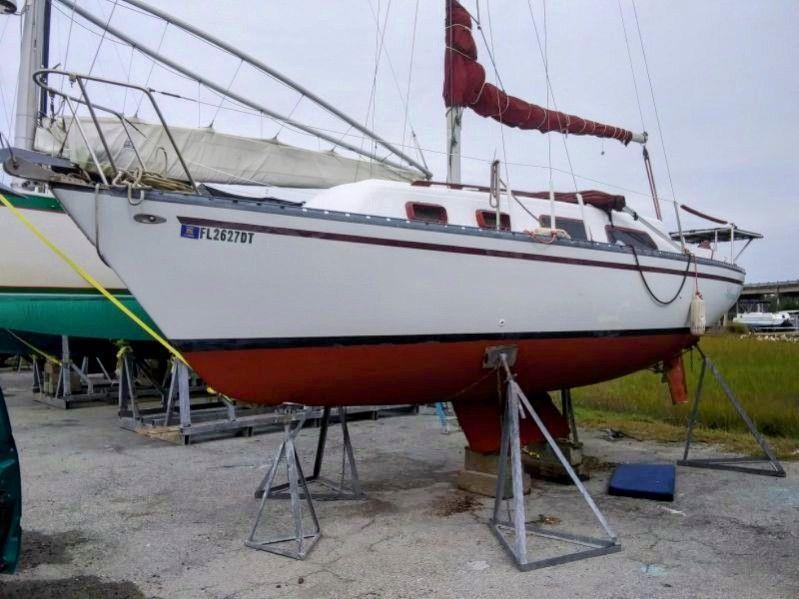
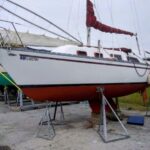
Some boats are stored on blocks, stands, or directly on the ground. Removal is still possible, but it usually requires controlled loading so the boat stays intact during the move.
If you are also dealing with a property cleanout that includes RVs or other large items, Boat Removal Service Georgia can help.
Why People Need Boat Removal near Georgia
Most people do not plan to end up with a junk boat. It usually happens in stages.
The boat became a stalled project
Project boats are easy to buy, and hard to finish. You plan to rebuild the engine, replace the seats, patch the deck, or fix wiring. Then time passes. The cover tears. Water gets inside. The floor starts to feel soft. Now it is not a project, it is a burden.
The boat is not worth repairing
Once the repair list includes major engine work, structural issues, electrical problems, or rot, the cost can climb quickly. Many owners eventually decide removal is the smartest option.
Storage fees stopped making sense
If the boat is at a storage yard, the bill can feel painful when the boat is not being used. Removing it often becomes cheaper than paying month after month.
It was inherited or left behind
Estate situations happen all the time. Boats are also left behind after tenant move-outs or property changes. Suddenly you are trying to solve a boat problem you never asked for.
You need your space back
Sometimes the reason is simple. You want your driveway back. You want your side lot clean. You want to stop seeing it every day.
What Affects the Cost of Boat Removal near Georgia
Boat removal cost depends on equipment, time, and difficulty. The same service can look very different depending on the boat and the setup.
1) Boat size and weight
A small fishing boat is not the same job as a larger fiberglass boat with a heavy trailer. Bigger boats usually require heavier hauling capacity and more time to secure safely.
2) Trailer condition
If the trailer is safe to tow, removal is often simpler. If the trailer is unsafe, removal usually requires loading and hauling, which can involve more equipment and onsite time.
3) Access to the boat
Access is one of the biggest cost drivers because it determines how easy it is to line up equipment.
Easier access usually means:
- Boat near the road
- Wide driveway
- Solid ground
- Plenty of turning space
Harder access can include:
- Boat behind a narrow gate
- Boat in a tight side yard
- Soft ground or uneven terrain
- Boat blocked behind other vehicles or equipment
- Tight turns where a truck cannot line up cleanly
4) Condition and fragility of the boat
A boat that is intact can often be moved cleanly. A boat with a cracked hull, soft deck, or weak transom can be fragile. In those cases, removal needs to be careful so it does not break apart during movement.
5) Debris and junk inside the boat
Many junk boats become storage containers. If the boat is filled with trash, waterlogged materials, broken furniture, or heavy debris, it adds weight and increases spill risk during transport.
6) Pickup location type
A private property pickup is one thing. Storage yards and marina areas can require coordination and scheduled access windows depending on facility rules.
How Boat Removal near Georgia Typically Works Step by Step
A smooth removal usually follows a simple pattern. It is not complicated, it is just planned correctly.
Step 1: Share the basic details
The most helpful details include:
- Boat length and type
- Whether it is on a trailer
- Trailer condition (good, questionable, bad)
- Exact location
- Access issues (gates, narrow driveway, tight turns)
- Whether the boat is mostly empty or full of debris
Photos help a lot, especially photos of the trailer tires, hitch area, and the access path from the road to the boat.
Step 2: Confirm the pickup method
The pickup plan should be clear about how the boat will be removed. Common methods include:
- Towing the boat away on its trailer if the trailer is safe
- Winching and repositioning if the trailer is stuck or angled poorly
- Loading the boat and trailer onto hauling equipment if the trailer is unsafe
- Controlled lift and load if there is no trailer
The right method depends on what you actually have, not what you wish you had.
Step 3: Prep the boat before pickup day
Before removal day, remove what you want to keep and reduce spill risks if it is safe.
Step 4: Pickup day
On pickup day, the boat is secured properly and removed using the planned method. The goal is clean removal without leaving debris behind.
Step 5: What happens after pickup
After removal, the boat is handled through the next step of the disposal plan based on its condition. This is what gives owners peace of mind, because you are not left figuring out where it goes next.
What to Do Before Pickup Day (So You Don’t Regret It Later)
You do not need to restore the boat. But you should do a few simple things that make removal smoother and prevent regret.
Remove personal items and anything valuable
Even junk boats often contain useful things. Check:
- Under seats
- Storage compartments
- Console and glove box areas
- Cabin lockers if it has a cabin
- Side pockets and small bins
People often forget:
- Tools and tool bags
- Anchors, ropes, straps
- Fishing gear
- Electronics
- Registration paperwork
- Spare parts and hardware
Remove items that can leak or spill if it is safe
If you can safely remove them, take out:
- Portable fuel tanks
- Fuel cans
- Loose batteries
- Oil containers
- Chemicals and cleaners
If the boat is unsafe to enter because the deck is collapsing, there is heavy mold, or pests are present, do not force it. In that case, explain the condition upfront so removal can be planned safely.
Clear access if you can
Small things can help a lot:
- Move vehicles out of the way
- Unlock gates
- Clear clutter around the trailer tongue
- Trim branches that block the path
This can prevent a simple pickup from turning into a slow, complicated job.
Common Georgia Boat Removal Situations (And What Usually Helps)
Boat on a trailer with flat tires
Flat tires are common. Sometimes they can be aired up temporarily. Sometimes they will not hold air at all. The plan depends on whether the trailer can roll safely or whether the unit needs loading.
Trailer bearings seized after long sitting
This is a common surprise. The trailer looks fine until you try to move it and the wheels will not turn. In this case, towing is not the right move, and removal usually shifts to loading and hauling.
Boat stored behind a gate or in a tight side yard
Tight access can change everything. Gate width matters. Turning space matters. If you can measure the gate opening and describe the path from the road to the boat, it helps the pickup plan match reality.
Boat sitting on blocks or directly on the ground
This is usually a long-term project boat situation. Removal often requires controlled loading so the hull stays intact during the move.
Boat filled with trash and waterlogged materials
Some boats become dumping spots. That adds weight and increases spill risk. A careful plan prevents a messy removal and reduces the chance of debris being left behind.
Mistakes That Make Boat Removal Harder Than It Needs to Be
If you want removal to go smoothly, avoid these common mistakes.
Trying to tow a bad trailer yourself
A trailer with seized bearings or a weak coupler can fail at the worst time. It can damage your property, your towing vehicle, and it can create a serious safety issue.
Waiting until pickup day to pull valuables
Once removal begins, it is not the time to dig through compartments looking for paperwork, tools, or gear. Pull what you want to keep ahead of time.
Downplaying access issues
If the boat is behind a narrow gate, blocked by other vehicles, or stored on soft ground, say it upfront. It helps the plan match reality and prevents delays.
Leaving fuel tanks and batteries in the boat
If it is safe to remove them, do it. It reduces spill risks and makes transport cleaner.
FAQs: Boat Removal near Georgia
Can you remove a boat that does not run?
Yes. Most boats that need removal do not run. Removal is based on transportability and access, not whether the engine starts.
What if my trailer is not roadworthy?
That is common. If the trailer cannot be safely towed, the plan usually involves loading and hauling instead of towing.
Can you remove a boat that is not on a trailer?
In many cases, yes. Boats sitting on blocks or on the ground can often be removed with controlled loading equipment.
Do I need to clean out the boat first?
You do not need to deep clean it, but you should remove personal items and anything you want to keep. If it is safe, remove fuel tanks, batteries, and anything that could spill.
Can you remove boats from storage yards or marina areas?
Often yes. Facility rules vary, so it helps to share the facility details and any access windows upfront so scheduling is smooth.
What happens after the boat is removed?
After pickup, the boat is handled through the next step of the disposal plan based on its condition so it is not simply relocated.
How do I get started?
Start by sharing boat length, trailer condition, and location details. The easiest starting point is to simply fill out a form with boat details to get your boat removal job lined up.
Ready to Schedule Boat Removal near Georgia?
If your boat is taking up space, costing you storage fees, or turning into a bigger mess every season, Boat Removal near Georgia is the clean way to move forward. The key is a plan that matches the boat’s condition, trailer reality, and access at your property or facility.