

Boat Removal near California: A Detailed Guide to Getting Rid of a Junk Boat Without the Headache
If you are searching Boat Removal near California, there is a good chance you are staring at a boat that has turned into a problem you do not want to carry anymore.
Maybe it is sitting on a trailer in your driveway and you are tired of working around it. Maybe it has been parked behind a fence line for so long that weeds have grown up around the trailer. Maybe the storage yard fees keep hitting your card for a boat you do not even use. Or maybe you inherited it, took it in during a move, or got stuck with it after a property situation and now you just want a clean, simple way to get it hauled off and handled properly.
Boats are tricky because they are not “normal junk.” They are large, awkward, and often tied to a trailer that may or may not be safe. They also carry things people forget about, like fuel, batteries, oil, and old gear that can leak or spill if moved carelessly. And when a boat has been neglected long enough, it can become fragile. A rotten transom, cracked hull, or soft deck can turn a simple towing idea into a job that needs a careful plan.
This guide breaks down how Boat Removal near California typically works, what affects cost, how pickup is planned, what you should remove before the boat is hauled away, and what happens after removal so you are not left guessing.
If you want to see the general approach to removing large recreational boats, start by visiting our boat removal info section.
Our Boat Removers Serve Customers near: Los Angeles, San Diego, San Jose, San Francisco, Fresno, Sacramento, Long Beach, Bakersfield, Anaheim, Riverside, Stockton.
What Boat Removal Usually Means (So You Know What You’re Asking For)
People use “boat removal” in a few different ways. In real life, it usually means one of these situations.
Boat removal from your property
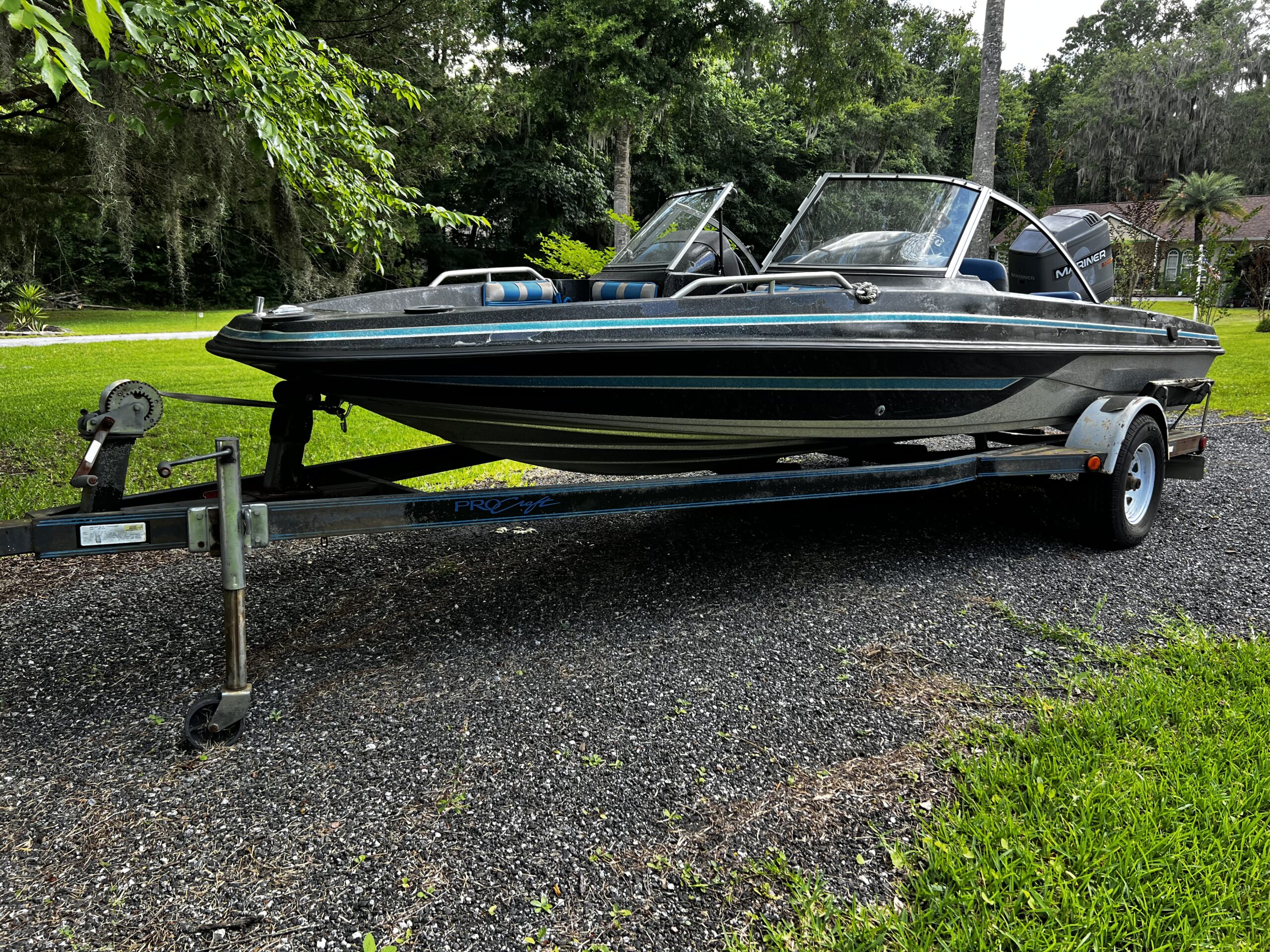
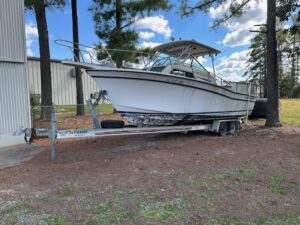
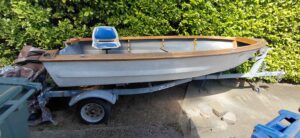
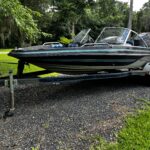
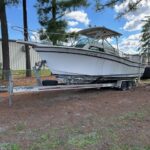
This is the most common. The boat is sitting on land, typically on a trailer, at a home, on a lot, or in a side yard.
Boat removal from a storage yard
A lot of owners reach a point where the storage bill makes keeping the boat feel pointless. Removal stops the monthly drain.
Boat removal near marinas or launch areas
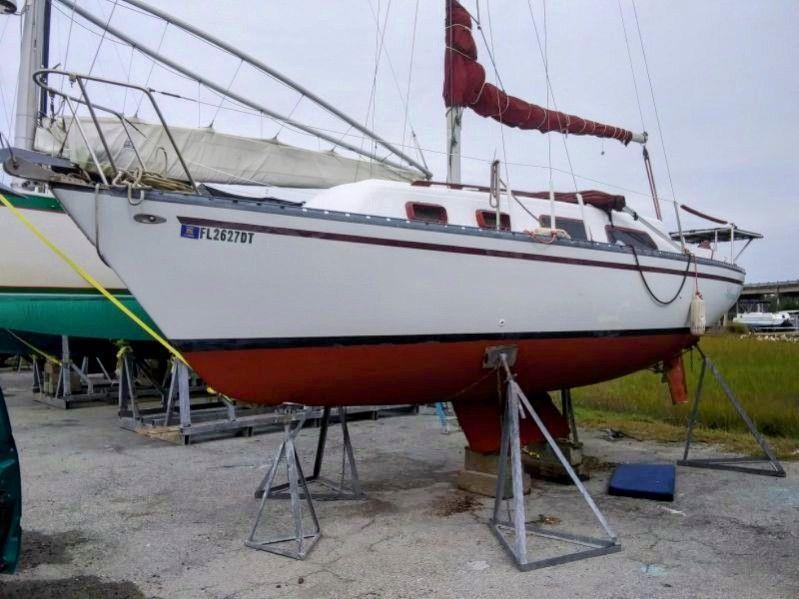
Some boats are stored near water access points, marinas, or facility yards. Removal here is often about coordinating timing, access rules, and making sure the boat can be transported out cleanly.
Junk boat removal with disposal handling
This is what most people actually need. The boat is not being moved to be used again. It is being removed because it is no longer worth keeping, and you want it off your responsibility.
If the boat is part of a bigger cleanup project, our boat service homepage is also useful.
The Real Make-or-Break Detail: The Trailer
Most boat removal jobs are really two jobs: the boat and the trailer.
A good trailer can make removal simple. A bad trailer can make removal much more equipment-heavy.
When the trailer is likely roadworthy
A trailer is more likely to be towable when:
- Tires hold air and are not badly cracked
- Wheels roll freely
- Bearings are not seized
- The coupler latches and feels solid
- The tongue is not dangerously rusted
- The boat is strapped down and stable
If you have a trailer like this, the boat can often be removed with a controlled tow.
When the trailer is not roadworthy
This is extremely common in California, especially for boats that have sat for years.
Common trailer problems include:
- Flat tires that will not hold air
- Dry rotted tires that look like they will shred
- Seized hubs or locked bearings
- Rusted frame sections
- Coupler issues or broken tongue components
- Winch stand failure or missing straps
- Trailer sitting in dirt long enough to sink
When the trailer is not safe to tow, removal often involves loading and hauling instead of towing.
When there is no trailer at all
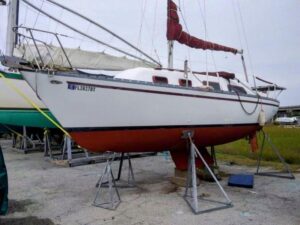
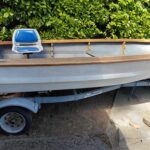
Some boats are sitting on blocks or directly on the ground. Removal can still happen, but it usually requires controlled lifting and safe loading to avoid hull damage and debris.
Why People Need Boat Removal near California
The reasons people want boat removal are usually simple and honest.
The boat is not worth fixing anymore
It might need too much. Engine issues, electrical problems, rot in the floor, soft transom, cracked hull, or missing parts can add up fast. A lot of owners do the math and decide removal is smarter than sinking more money into it.
The boat became a long-term project
Project boats often start with excitement. Then time passes, weather hits, and the project becomes a burden.
Storage fees keep stacking up
Storage yards, lots, and marinas cost money. Paying month after month for a boat you do not use starts to feel ridiculous.
It was inherited or left behind
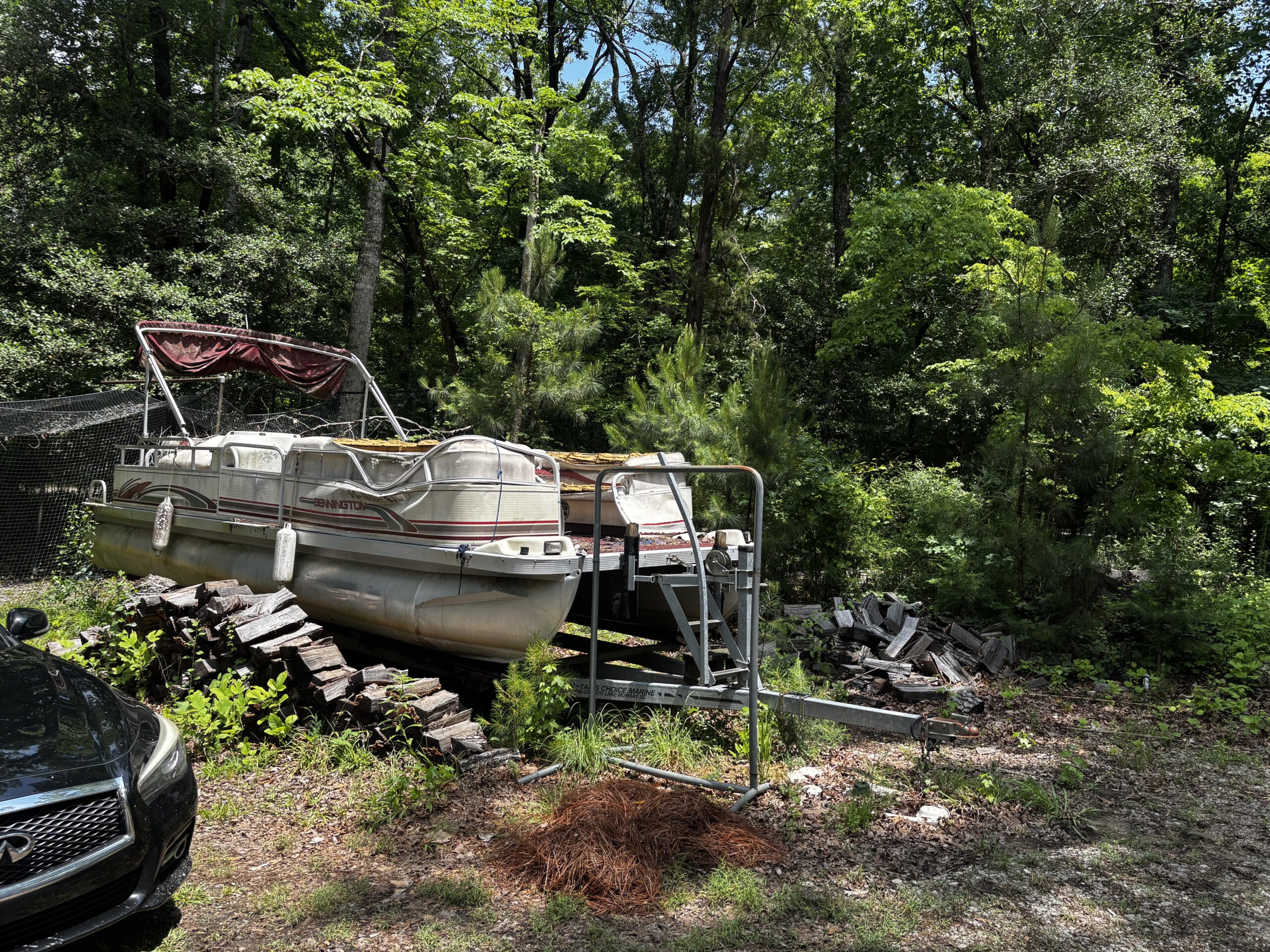
Estate situations, tenant move-outs, and property sales can leave boats behind. The new owner is left trying to figure out how to move something big, awkward, and often unwanted.
You just need your space back
Sometimes there is no dramatic story. You just want your driveway, yard, or lot back.
What Affects the Cost of Boat Removal in California?
Boat removal cost depends on logistics and difficulty. Here are the factors that usually matter most.
1) Boat size and weight
A small fishing boat is a different job than a large cabin boat. Bigger boats require heavier hauling equipment and more time to secure.
2) Trailer condition
A towable trailer can simplify removal. A broken or unsafe trailer usually pushes the job into a loading and hauling plan.
3) Access
Access is a huge factor. Boat removal is easier when:
- The boat is near the road
- The driveway is wide
- There is room to turn
- The ground is solid
Boat removal is harder when:
- The boat is behind a narrow gate
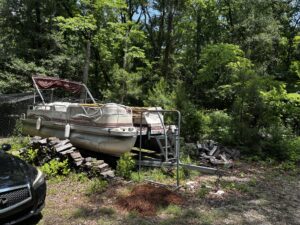
- The boat is tucked in a backyard
- The approach is tight between structures
- The ground is soft or uneven
- The boat is blocked by other vehicles or equipment
4) Condition of the boat
If the boat is structurally weak, cracked, or falling apart, removal must be careful to avoid debris and damage.
5) Extra junk inside
Some boats are packed with trash, waterlogged items, or old furniture. That adds weight and makes removal harder.
6) Storage yard or marina rules
Facilities sometimes require scheduled pickup windows or specific entry rules. That can influence how the pickup is planned.
How Boat Removal Typically Works Step by Step
A smooth removal usually follows a simple pattern.
Step 1: Share basic details
The most helpful info includes:
- Boat length and type
- Whether it is on a trailer
- Trailer condition (good, questionable, bad)
- Where it is located
- Access details (gates, narrow driveway, tight turns)
- Whether it is mostly empty or full of debris
Photos of the trailer tires, hitch area, and access path can speed planning.
Step 2: Confirm the pickup method
Boat removal typically happens one of these ways:
- Tow it away on the trailer if safe
- Winch and reposition if stuck
- Load onto a flatbed if the trailer is unsafe
- Lift and load if there is no trailer
Step 3: Prep the boat
Before pickup day, remove valuables and hazards if it is safe.
Step 4: Pickup day
On pickup day, the boat is secured and removed using the planned approach. The goal is clean removal without leaving debris behind.
Step 5: Disposal handling after pickup
After removal, the boat is handled through the next step of the disposal plan based on condition.
If disposal matters most to you, review the best disposal options near you.
What You Should Remove Before Pickup
Before the boat is hauled away, take a few minutes to check for anything you want to keep.
Personal items and valuables
Look in:
- Storage compartments
- Under seats
- Console compartments
- Glove box areas
- Any cabin storage
People often forget:
- Tools
- Anchors and ropes
- Fishing gear
- Electronics
- Paperwork
- Spare parts
Items that can leak or spill
If safe, remove:
- Portable fuel tanks
- Fuel cans
- Loose batteries
- Oil containers
- Chemicals or cleaners
If the boat is unsafe to enter due to collapse risk, heavy mold, or pests, do not force it. Describe the condition so the pickup plan can be built safely.
California Situations That Can Change the Plan
Dry rotted tires and trailer issues from sitting
Even when a trailer looks decent, the bearings may be seized or tires may be unsafe. This is one of the most common reasons towing plans change.
Tight residential access
Backyard boats and side-yard storage can limit truck access. Measuring gate width and noting obstacles helps avoid delays.
Boats that are falling apart
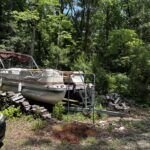
If the boat is fragile, the plan should focus on controlled loading so the boat does not break apart during removal.
Boats full of trash
If the boat has become a dumping spot, it adds weight and can create spill issues during transport.
FAQs: Boat Removal near California
Can you remove a boat that does not run?
Yes. Most boats that need removal do not run. The key issue is transportability and access, not whether the engine starts.
What if the trailer is not roadworthy?
That is common. If the trailer cannot be safely towed, removal can be planned with loading and hauling instead.
Can you remove a boat that is not on a trailer?
In many cases, yes. Boats sitting on blocks or on the ground can often be removed with controlled loading equipment.
Do I need to clean out the boat first?
You do not need to deep clean it, but you should remove personal items and anything you want to keep. If safe, remove fuel tanks, batteries, and items that could spill.
Can you remove boats from storage yards or marina areas?
Often yes. Facility rules vary, so it helps to share the location details upfront.
What happens after pickup?
After pickup, the boat is handled through the next step of the disposal plan based on condition. If disposal is important to you, call and let us know how we can help 844-SUNKEN1.
How do I get started?
Start by sharing the boat length, trailer condition, and location details. If you also have a sailboat or yacht to remove, start by getting free price information for fast boat removal.
Ready to Schedule Boat Removal near California?
If your boat is taking up space, costing you storage fees, or turning into a bigger mess every season, Boat Removal near California is the clean way to move forward. The key is a plan that matches the boat’s condition, trailer situation, and the access at your property or storage location.