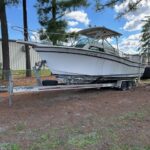
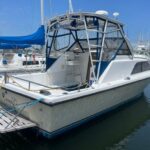
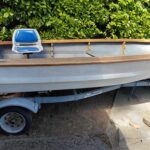


Backyard Junk Boat Pickup & Sinking Boat Recovery in North Carolina (NC): Emergency Steps That Protect Property and Waterways
When a boat starts sinking, the clock moves fast. What looks like “a little water in the bilge” can turn into a boat sitting low, then a boat half submerged, and sometimes a boat on the bottom before you even realize how serious it is. In North Carolina, where marinas, docks, inlets, and changing weather are part of daily boating life, sinking situations happen more often than people think.
The good news is that most sinking events can be handled safely when the response is calm, practical, and quick. The goal is not just to “save the boat.” The goal is to protect people first, prevent the situation from becoming an environmental hazard, and recover the vessel in a controlled way so it can be removed and handled properly.
This guide walks you through what to do in the first critical hours, when you need salvage instead of towing, what affects recovery cost, and what happens after the boat is recovered.
Why boats sink in North Carolina
Boats sink for a lot of reasons, and many are surprisingly simple.
A failed bilge pump is a common one, especially if the pump is old, clogged, or the float switch sticks. Heavy rain can overwhelm a boat with poor drainage. A cracked hose, loose clamp, or failed thru-hull fitting can let water in faster than the bilge can push it out. Older boats may have weak seals, degraded hoses, or structural issues that make them more vulnerable to flooding.
In North Carolina, wind and storms can make things worse by shifting a boat at a dock, rubbing lines, damaging fittings, or pushing debris into areas that cause leaks. Sometimes the boat does not “sink dramatically.” It slowly fills, sits lower and lower, then goes under while nobody is watching.
First priorities when a boat is sinking
If you take one thing from this article, let it be this: safety comes first.
1) Keep people safe
If the boat is actively sinking or unstable, do not put yourself at risk to “fix it.” Slippery decks, electrical hazards, and unstable movement can turn a boat problem into an injury. If conditions are dangerous, step back and get professional help.
2) Call for help early
Many owners wait too long because they think they can pump it out in time. Sometimes you can, but if you are unsure, call early. Sinking situations are easier to manage when the vessel is still accessible and not fully submerged.
If your boat is taking on water, partially submerged, or already down, the right next step is usually Marine Salvage Services because salvage focuses on stabilization and controlled recovery, not just pulling.
3) Reduce water intake if it is safe
If you can safely identify a leak source and stop it, do it. That might mean shutting a seacock, tightening a clamp, or repositioning a hose. Only do this if the boat is stable and you are not at risk.
4) Start controlled pumping if possible
If the boat still has power and pumps can run, pumping buys time. If power is failing, pumping may stop quickly. This is why early action matters.
5) Document the situation
Take quick photos of the boat, the waterline, and the surrounding area. These help the recovery plan and can also be useful for your own records later.
When towing is not enough
A lot of people assume a sinking boat can be “towed out” like any other problem. In many sinking scenarios, towing is not the safe answer.
Towing may be appropriate if the boat is stable, floating normally, and can be moved without breaking apart. But if the boat is partially submerged, waterlogged, pinned in mud, or structurally damaged, towing can cause the hull to fail. It can also spread debris and turn one problem into three.
You are likely to need recovery and salvage when:
The boat is sitting much lower than normal
The deck is at water level or the boat is partially submerged
The boat is fully submerged or resting on the bottom
The hull is damaged, soft, or cracking
The vessel is grounded in shallow water or stuck in mud
The boat is unstable at the dock and shifting
In these cases, salvage is about a controlled plan: stabilize, rig, lift, and recover in a predictable way.
What sinking boat recovery usually involves
Every job is different, but most sinking boat recoveries follow a clear sequence.
Assessment and plan
The recovery team needs to know: where the boat is, how deep the water is, what access is available, and whether the vessel is partially submerged or fully down. They also consider safety concerns like debris, sharp edges, or potential contamination.
Stabilization
If the boat is still moving or shifting, stabilization comes first. The team may secure the vessel, manage lines, and plan how to prevent further sinking or collapse during recovery.
Rigging and controlled recovery
Rigging is how the boat is secured for lifting or repositioning. Depending on the situation, recovery can involve lift bags, winching, cranes, or other methods that support the boat without tearing it apart.
This stage is about control. A boat that is full of water can be far heavier than it looks. Trying to move it too aggressively can break the structure.
Transport after recovery
Once the boat is recovered and stable enough to move, it needs a destination. For many owners, the next step is removal and transport offsite. That is where a standard Boat Removal plan fits in after recovery.
Final disposal or processing
If the boat is beyond repair, the process ends with proper disposal. This final step matters because the problem is not truly resolved until the vessel has been handled legally and responsibly. Our Boat Disposal process explains what typically happens after pickup so the situation is fully closed out.
What affects the cost of sinking boat recovery in North Carolina
Recovery pricing depends on complexity. These are the factors that usually matter most:
Location and access
A boat in an open area is easier than one in a tight marina slip or tucked behind docks with limited equipment access.
Water depth and conditions
Depth, current, visibility, and bottom type (mud, sand, debris) affect the recovery method and time required.
How submerged the boat is
A boat taking on water is different from a boat fully down on the bottom. Fully submerged recoveries typically require more rigging and lifting planning.
Vessel size and weight
Length matters, but so does construction and how waterlogged the boat is. A flooded boat can weigh far more than the same boat when dry.
Hull condition
A stable hull is easier to recover than a boat that is collapsing or cracking. The weaker the structure, the more careful the recovery plan must be.
Cleanup needs
Loose debris, waterlogged interiors, and damaged components can increase time and handling.
The fastest way to get a clear estimate is to provide the boat’s approximate length, exact location, whether it is partially submerged or fully submerged, and photos showing the boat and access routes.
What you should do before the recovery crew arrives
If the boat is actively sinking, do not treat this like a DIY project. Still, there are a few safe steps that can help.
Remove people from the immediate area if the boat is unstable
Take photos from a safe distance
Notify the marina or property manager if the boat is in a slip
Keep the access area clear so equipment and crew can work
If it is safe and the boat is stable, remove personal items you can grab quickly
Avoid climbing into a compromised boat, especially if electrical systems are wet or the boat is shifting.
What happens after recovery
Owners often feel relief once the boat is back up, but there is still a decision to make. Is the boat repairable, or is it time to let it go?
If the boat is repairable, recovery may be step one, followed by transport to a repair facility. If the boat is not repairable, the cleanest path is removal and disposal so the situation is finished and does not return as another storage or liability problem.
This is where a full plan helps: recover the boat safely, remove it from the site, then complete disposal if needed.
FAQs
What should I do first if my boat is sinking?
Prioritize safety, call for help early, and document the situation. If it is safe, reduce water intake and pump, but do not put yourself at risk.
Can a sinking boat be towed away?
Sometimes, but not always. If the boat is unstable, partially submerged, or waterlogged, towing can be unsafe. Salvage recovery is often the better option.
How long does sinking boat recovery take?
It depends on depth, access, boat size, and how submerged the vessel is. Some recoveries move quickly once the plan is set, while others require careful staging.
Do you handle boats that are fully submerged?
Yes. Fully submerged boats often require controlled rigging and lifting methods designed for recovery.
What happens to the boat after it is recovered?
After recovery, the boat can be removed for repair or transported for disposal, depending on its condition and your goal.
Need sinking boat recovery in North Carolina?
If your boat is taking on water, partially submerged, or already down, quick action makes a big difference. Sinking Boat Recovery in North Carolina (NC) is about doing the job safely and in the right order so the vessel can be recovered without creating a larger hazard, then removed and handled properly.