

Boat Disposal in California (CA): Legal Options for Unwanted Boats
At some point, an old boat stops being a project and becomes a problem. Maybe it is been sitting in a driveway for years. Maybe the trailer is shot, the registration is outdated, and the interior smells like a swamp. Or maybe a marina has given you a deadline and you need the boat gone fast. Whatever brought you here, the main thing to know is this: Boat Disposal in California is easiest when you follow a legal, documented path and avoid shortcuts that can come back to bite you.
California has a strong focus on environmental protection, marina rules, and proper handling of waste, fluids, and debris. That is good for the water and the community, but it also means a junk boat can be harder to get rid of than people expect. The solution is not complicated though. It just needs the right approach.
This guide breaks down your real options, what typically affects cost and scheduling, and how professional removal and disposal works from start to finish.
What “boat disposal” really means in California
A lot of people use “boat disposal” to mean “someone picks it up and it disappears.” In reality, disposal is the end of a process. First comes the removal, then transport, then the final handling of the vessel.
A proper disposal plan usually includes:
Removing the boat from wherever it sits (yard, storage lot, marina, dock, waterfront property)
Transporting it safely based on size and access
Handling waste, debris, and any hazardous materials correctly
Processing the vessel through dismantling, recycling, salvage, or approved disposal methods
If you are starting from scratch, our Boat Disposal service explains what happens after pickup and how the end-to-end process is handled.
Your legal options for getting rid of an unwanted boat
California owners typically consider a few paths. Some are great, some are a waste of time, and some create risk.
Option 1: Sell the boat (only if it is truly usable)
If the boat is structurally solid, transportable, and either runs or can be repaired without major hull work, selling can work. The problem is that most “junk boats” do not qualify. If the floor is soft, the transom is compromised, the engine is missing, or the trailer is unsafe, buyers disappear fast.
If you have already listed it and you are only getting time-wasters, it is usually time for removal.
Option 2: Donate (works in a narrow window)
Donation can be an option when a boat still has a clear use. A boat that is rotten, waterlogged, or missing key systems usually gets rejected. Donation also often comes with paperwork steps, and it is not always as quick as people hope.
Option 3: DIY dismantling (possible, but rarely worth it)
Some owners try to cut the boat apart and haul it away in pieces. In practice, this is where the “cheap option” gets expensive. Fiberglass dust is nasty, the job takes longer than expected, and disposal runs add up. You also risk creating a safety hazard on your property if you do not have the right equipment and protective gear.
DIY makes sense only when you have tools, time, and a plan for safe disposal. Most people do not.
Option 4: Professional boat removal and disposal (the cleanest route)
For most California owners, hiring a team that handles removal plus disposal is the simplest option. It saves time, reduces liability, and avoids the common mistake of moving the boat once, then getting stuck again when you do not know where it can legally go.
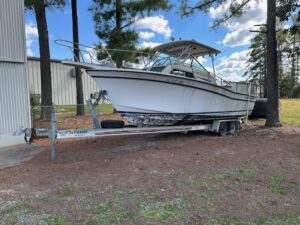
If the boat is still on a trailer or can be moved easily, the process may look like a standard removal. If access is tight, the trailer is broken, or the boat is at a marina, a pro crew can plan the right equipment.
To see how removal fits into the bigger picture, start with Boat Removal and work from there.
What affects the cost of boat disposal in California
Boat disposal pricing depends on what the job actually requires. Two boats of the same length can have completely different costs based on location and condition.
Here are the biggest cost drivers:
Access and location. A boat in an open driveway is easier than a boat behind a gate, under trees, or packed into a storage yard.
Trailer condition. A working trailer makes transport easier. A broken trailer often means different loading methods.
Boat condition. A stable hull is easier than a collapsing hull. A boat full of trash, water, or debris takes more handling.
Land vs water. If the boat is partially submerged or at risk of sinking, the job becomes more specialized.
Size and weight. Larger boats usually need more labor and heavier equipment.
Scheduling urgency. If a marina deadline is tight, logistics can change.
The fastest way to get a clean estimate is to share photos and basic details: length, where it sits, whether it is on a trailer, and any access challenges.
Common California disposal scenarios and how they are handled
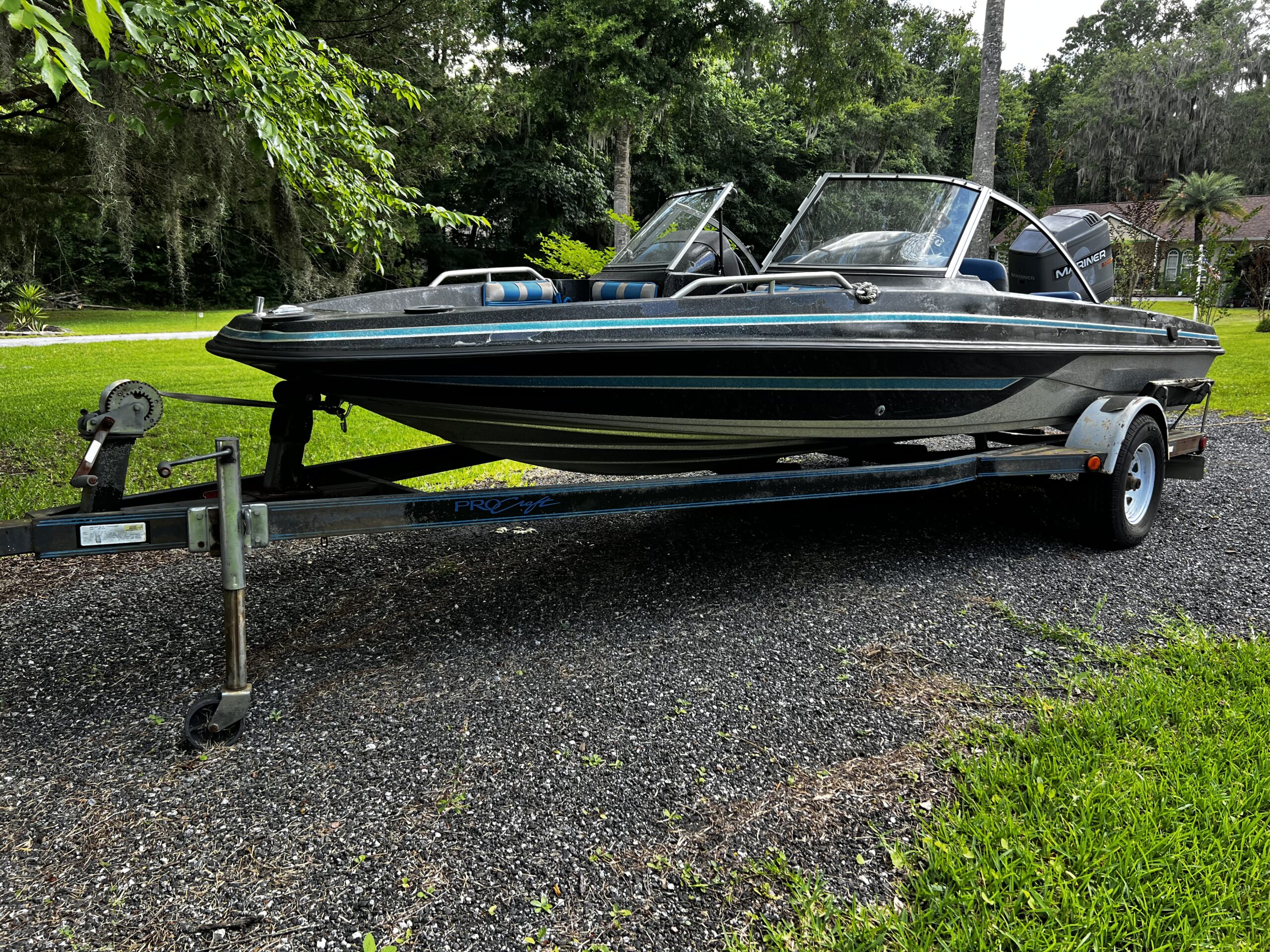
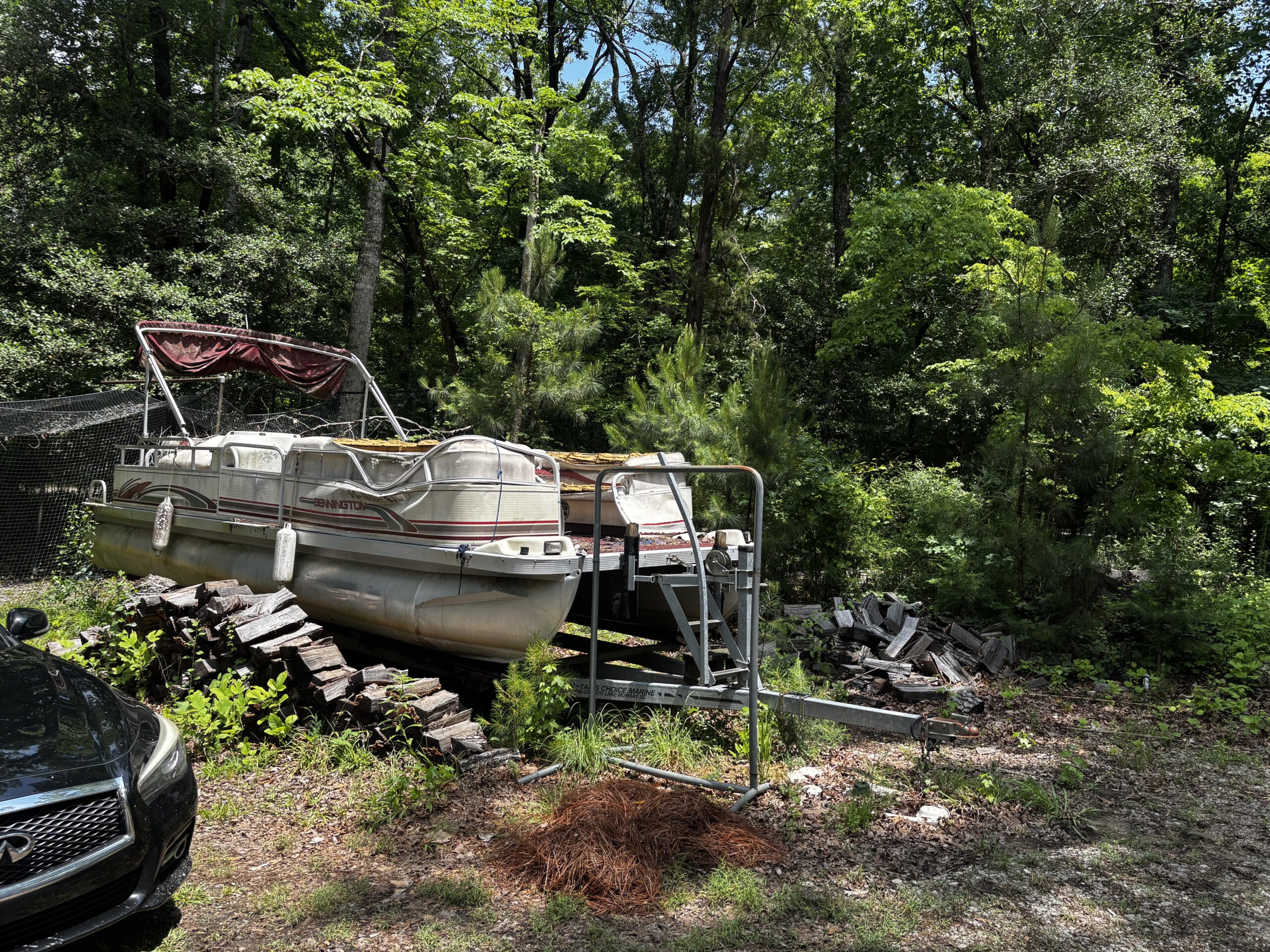
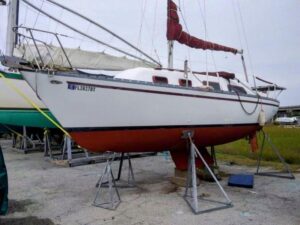
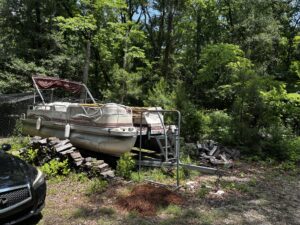
Boat in a driveway or backyard
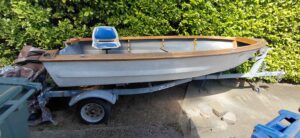
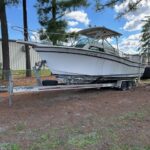
This is a common one. The boat is on land, often not moving, sometimes sitting in the same spot for years. If access is good, removal is usually straightforward. If access is tight, the job becomes about planning. A professional crew will look at gate width, turns, overhead trees, and how the boat can be moved without damaging property.
Boat in storage with unpaid fees
If a boat is sitting at a storage yard and fees are piling up, owners often want it gone quickly. Storage yards may have rules about access, scheduling, and how removal is coordinated. A pro service helps you avoid showing up unprepared and wasting a trip.
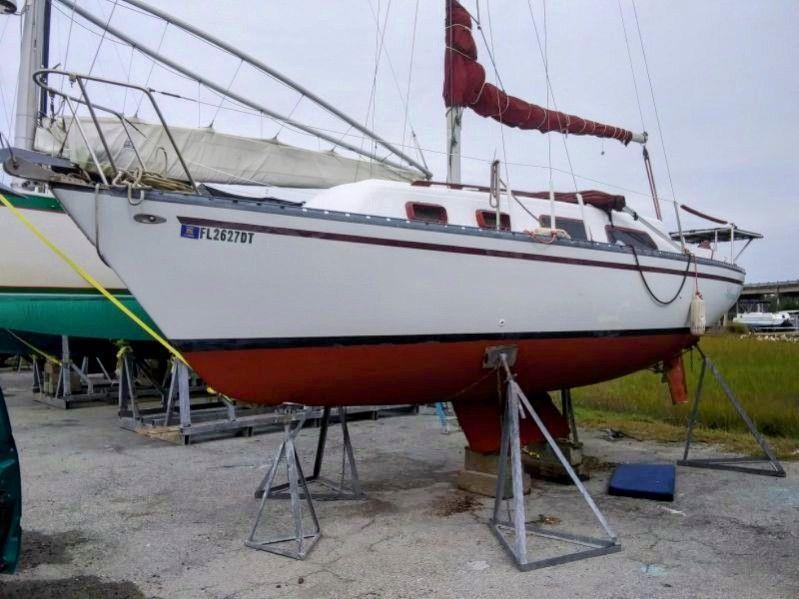
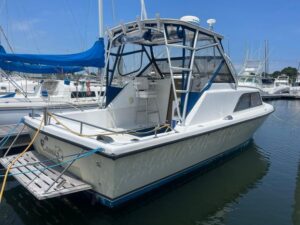
Boat at a marina
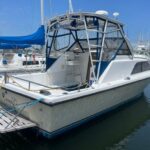
Marinas often require specific handling. Sometimes the boat can be towed to a haul-out point. Sometimes it needs dockside planning. If the boat is unstable, or if it is taking on water, towing alone might not be safe.
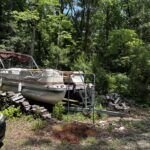
Damaged, storm-hit, or partially submerged boats
When a boat is damaged enough that it is unsafe to move normally, you may need salvage help. That is especially true if the boat is in water, grounded, or partially submerged.
If your situation is more than a standard tow-away, Marine Salvage Services can be the right fit for recovery and safe extraction.
Paperwork and ownership: what usually matters
People worry about paperwork because they do not want to create a legal mess. That is a smart concern. In many cases, disposal is easiest when the boat is clearly tied to the owner requesting removal.
Even when paperwork is not perfect, there are often solutions depending on the situation, the location, and what documentation is available. The best approach is to be upfront about what you have and what you do not have when requesting a quote. That prevents surprises and delays.
A simple checklist to prepare for disposal
Before removal day, here are a few practical steps that help the job go smoothly:
Remove personal belongings you want to keep
Take photos of the boat’s condition for your own records
Clear access to the boat if it is blocked by other items
Let the team know about gates, tight turns, soft ground, or overhead obstacles
If the boat is at a marina or storage yard, confirm access rules and hours
You do not need to overthink this. A good removal team will guide you on what matters for your situation.
FAQs
Can a junk boat be disposed of without a trailer?
Yes. Many boats are removed without a usable trailer. The method depends on access, size, and condition.
What if the boat is full of trash or water?
That is common. Disposal plans often include safe handling so the vessel can be moved and processed properly.
Is disposal different from salvage?
Yes. Boat Disposal is the end step after removal, where the boat is processed or dismantled. Salvage usually refers to recovery of damaged or submerged vessels that require specialized equipment.
How long does boat disposal take?
Some jobs can be scheduled quickly, but timing depends on location, access, and whether the boat is on land or water.
What is the best first step?
Share the boat’s location, length, condition, and a few photos. That makes it easy to recommend the simplest legal plan.
Ready to dispose of an unwanted boat in California?
If your boat is taking up space, creating storage fees, or causing stress at a marina, Boat Disposal in California (CA) does not have to be complicated. The key is choosing a removal plan that matches your situation and finishes with proper disposal so the problem is truly done.