

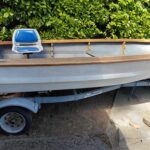


Junk Boat Removal in Texas (TX): Cost, Pickup Process, and What to Prepare
Most junk boats do not become junk overnight. It usually happens in slow motion. A boat sits a little longer than planned. The motor stops working. The cover tears. Rainwater collects. The trailer starts to fail. One day you look at it and realize it is no longer a boat you “own.” It is a problem you need to remove.
If you are in Texas, you are not alone. Between lakes, coastal areas, bays, marinas, storage yards, and private properties, old and unwanted boats end up parked in places where they should not stay. The good news is that Junk Boat Removal in Texas can be straightforward when you know what affects cost, how removal crews handle different situations, and what you should do before pickup day.
This guide breaks it all down in plain language so you can move forward without stress.
What counts as a “junk boat” in Texas?
A junk boat is not just a boat that looks ugly. It is a boat that is no longer worth repairing, is unsafe to move in the normal way, or has become a storage and liability issue.
Common signs a boat has crossed into junk territory include:
The hull is cracked, soft, or taking on water
The transom or floor feels weak or rotten
The boat has been sitting for years and the interior is moldy
The engine is missing, seized, or beyond repair
The trailer is broken, rusted, or unsafe for road transport
The boat is full of trash, debris, or water damage
You cannot sell it because buyers do not want it, even for free
At that point, professional Junk Boat Removal is often the cleanest solution, especially if you want the boat gone without turning it into a multi-week DIY project.
What affects the cost of junk boat removal in Texas?
People want a simple price, but removal cost depends on real-world factors. Two boats that are the same length can have different costs because of access, condition, and how the boat must be moved.
Here are the biggest cost drivers in Texas:
1) Where the boat is located
A boat in an open driveway is easier than a boat behind a fence, under trees, or wedged next to a building. Boats at marinas may require coordination and specific timing. Boats in storage yards often have rules about access and scheduling.
2) Access and obstacles
Tight turns, narrow gates, soft ground, steep driveways, and overhead obstacles can change the equipment needed. Clear access usually means a smoother removal.
3) Trailer condition
If the boat is on a roadworthy trailer, removal is often simpler. If the trailer is missing, has flat tires, is seized, or is unsafe, the removal plan changes.
4) Boat condition and contents
A boat that is clean and empty is easier to handle than a boat full of trash, water, or heavy debris. Severe rot or a collapsing structure can also increase complexity.
5) Land removal vs water removal
Most “junk boat removal” searches relate to boats on land. But if a boat is partially submerged, stuck in mud, or has sunk at a dock, the job can shift toward recovery methods.
6) Size and weight
Larger boats typically require more labor and heavier equipment. Length is only part of it. Construction type and how the boat is loaded also matter.
If you want a smooth quote, the best approach is to share a few photos and basic information: boat length, current location, whether it is on a trailer, and any access challenges.
The typical junk boat removal process (start to finish)
Even though every job is different, most Texas removals follow the same general steps.
Step 1: Quick details and quote
You provide the basics: where the boat is, what type it is, and the condition. Photos help. A good crew will ask about access, trailer status, and whether the boat is on land or water.
For a general overview of how the service works, you can also review our Boat Removal process.
Step 2: Scheduling and planning
Once the plan is set, pickup is scheduled. For marinas, storage yards, or gated properties, timing and access rules are confirmed to avoid delays.
Step 3: Preparation guidance
You will usually be advised on what to remove and what to leave. In most cases, you should remove personal items you want to keep and clear a path to the boat if it is blocked by other materials.
Step 4: Pickup and transport
The crew arrives, secures the boat, and removes it using the planned method. That could be towing if it is on a good trailer, loading if it is not, or specialized handling if the boat is unstable.
Step 5: Disposal or salvage processing
After removal, the boat needs a final destination. This is the part many owners overlook. “Getting it off your property” is not the same as completing legal disposal.
Our Boat Disposal service covers what typically happens after pickup so the job ends cleanly.
What you should prepare before pickup day
You do not need to overdo it, but a little prep can reduce cost and make the job faster.
Remove what you want to keep
Take out personal items, electronics you want, paperwork, and any valuables. Junk boats sometimes have tools, anchors, or equipment owners forget.
Clear access to the boat
If the boat is blocked by other vehicles, debris, or storage items, move them if possible. Wider access usually equals faster removal.
Tell the truth about the condition
If the trailer is bad, say it upfront. If the ground is soft after rain, mention it. Surprises are what cause delays.
Take a few photos
A clean set of photos from different angles helps removal crews plan the right equipment.
Confirm location rules
If the boat is in a marina or storage yard, confirm the hours, gate access, and who needs to be notified. A small detail like “no weekend access” can matter.
Common Texas scenarios (and what usually works)
Backyard and driveway boats
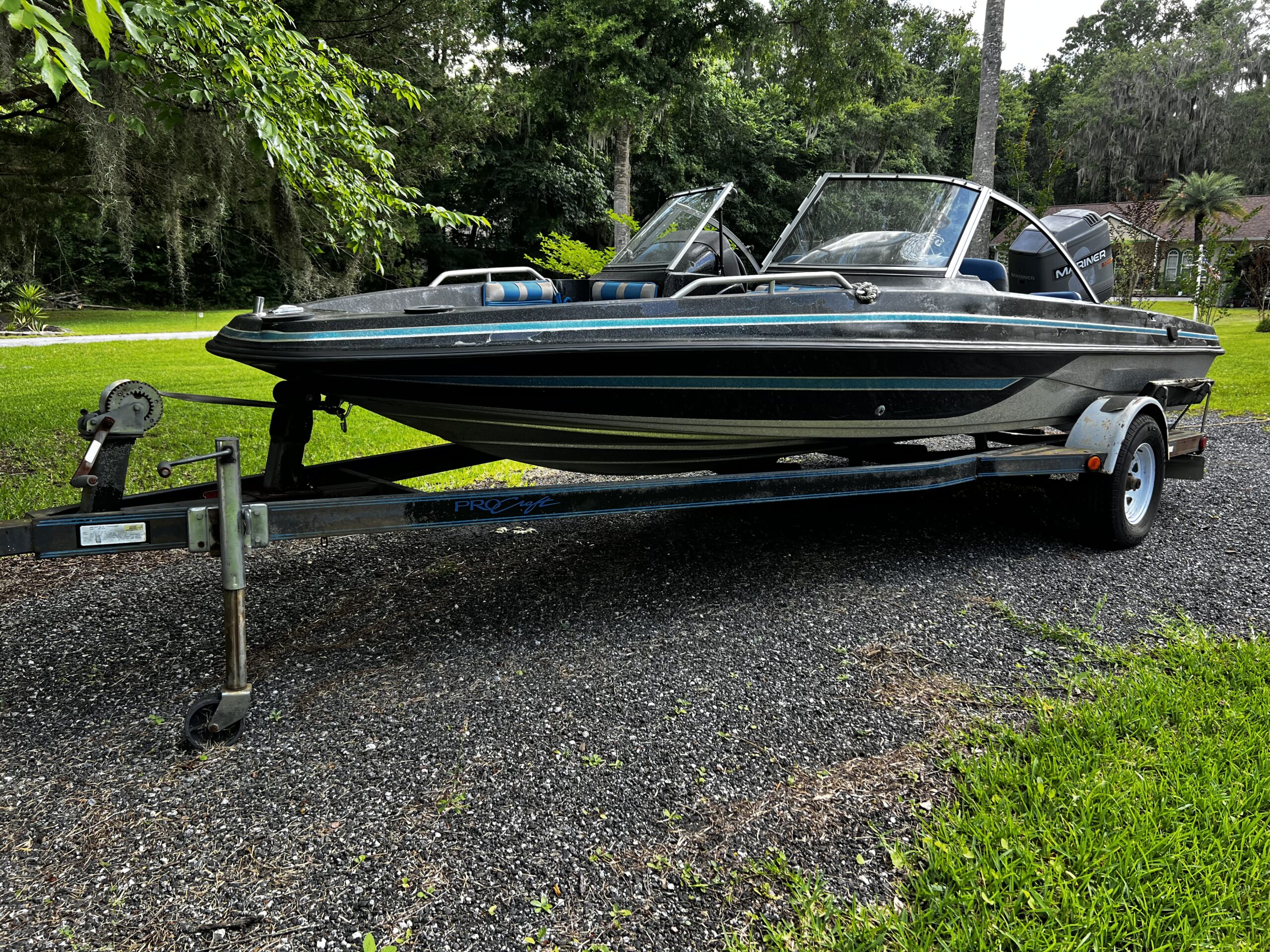
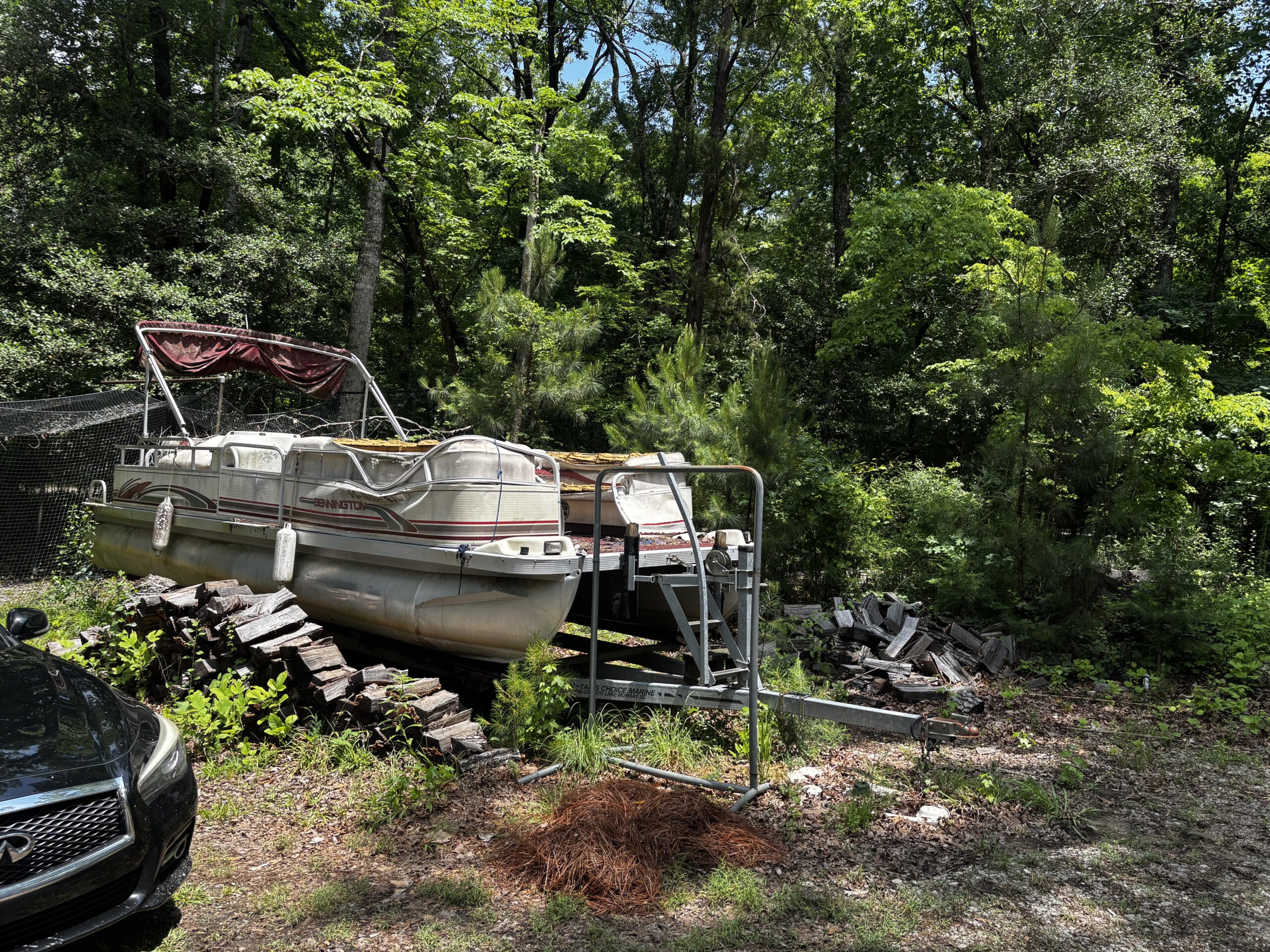
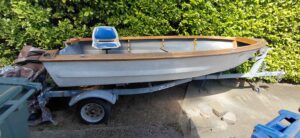
This is the most common removal type. If the boat is accessible and stable, removal is usually straightforward. If it is trapped behind a fence or under heavy tree cover, the team plans the safest path out.
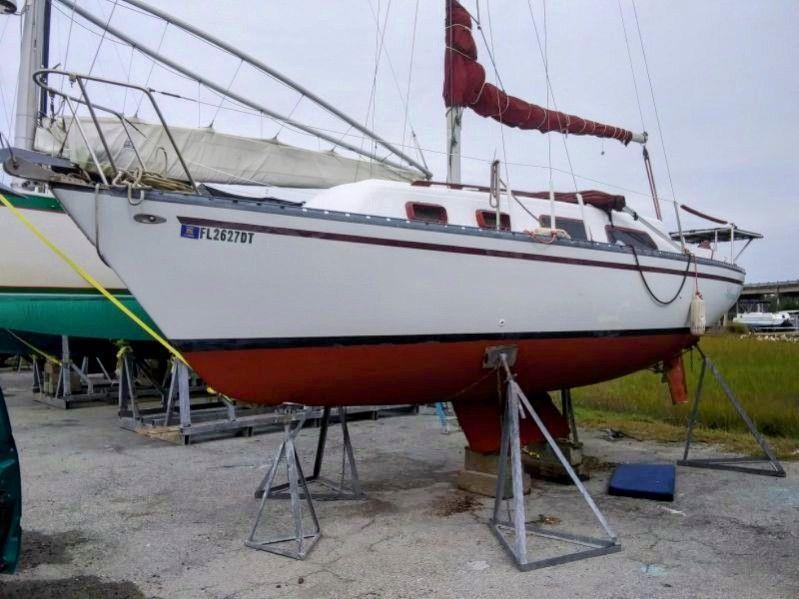
Boats in storage yards
Storage yards can be easy if access is open and the boat is positioned well. Problems usually occur when the trailer is dead or the boat is boxed in. Sharing photos in advance keeps things smooth.
Marina and dock removals
Marina removals often require coordination, especially if the boat is tied in a slip. If the boat is at risk of sinking, a simple tow may not be enough. The plan depends on safety and stability.
Derelict and abandoned boats
If a boat is derelict or abandoned near private property, documentation and planning matter. Ownership and location can change what is possible, but professional guidance can help you avoid making the situation worse.
Boats that are partially submerged or stuck
If your boat is not simply sitting on land, removal may require more than standard hauling. In those cases, recovery methods are sometimes needed. For situations like that, our Marine Salvage Services team can help with recovery planning and safe extraction.
Mistakes to avoid when getting rid of a junk boat in Texas
Waiting too long
The longer a junk boat sits, the worse it usually gets. Rot spreads. Mold grows. The structure weakens. Trailers deteriorate. What could have been a simple pickup becomes harder later.
Assuming any tow company can do it
A tow truck can move some boats, but junk boat removal often requires more planning, especially with unsafe trailers or difficult access. It is better to work with a team that regularly handles removals.
Ignoring disposal and focusing only on pickup
The goal is not just to move the boat once. The goal is to complete disposal properly so it does not become someone else’s problem.
FAQs
Can you remove a junk boat in Texas without a trailer?
Yes. Many junk boats are removed without a usable trailer. The method depends on access, size, and condition.
What if the boat is full of trash or water?
That is common. You should remove anything you want to keep, and the removal plan can account for messy interiors and waterlogged conditions.
How fast can pickup happen?
Scheduling depends on location and job complexity, but many land-based removals can be arranged without long delays.
Is junk boat removal the same as boat disposal?
Removal is the pickup and transport. Disposal is the final processing step that completes the job. Both matter for a clean outcome.
What is the best way to get an accurate quote?
Share boat length, location, trailer status, and a few photos that show access and condition.
Ready to remove a junk boat in Texas?
If your boat has become a burden, Junk Boat Removal in Texas (TX) is the simplest way to reclaim your space and stop the problem from growing. Share the basic details and a few photos, and we will help you choose the cleanest plan, whether it is a standard removal, a tow-away job, or a recovery situation that needs specialized handling.