

Boat Removal in Florida (FL): How to Get Rid of an Old or Junk Boat the Right Way
Florida is a dream state for boating until the boat stops being fun. Maybe it has been sitting in your yard for years. Maybe the trailer is rusted out and the motor is long gone. Maybe a storm damaged it, the interior is full of mold, and every month it feels heavier on your mind. When a boat reaches that point, the question is not “Can I fix it?” The real question is “How do I get rid of it the right way?”
That is where professional Boat Removal makes a huge difference, especially in Florida. Between salt air, sun exposure, hurricanes, and busy marinas, an old boat can become a serious headache fast. The good news is that getting rid of a junk boat does not have to be complicated if you understand your options and follow a clean removal plan.
This guide walks you through the most common Florida boat removal situations, what affects cost and scheduling, and how the process usually works from the first call to final disposal.
Why boat removal in Florida can get complicated
Boats in Florida age differently. Sun fades everything, humidity invites rot, and saltwater speeds up corrosion. Even if the boat is not in the water, Florida weather still attacks it. Decks soften, transoms weaken, wiring corrodes, and seats break down into dust. Add storm season and you get boats that shift, sink, flood, or end up stuck where they never should have been.
On top of that, many Florida boats are stored in tight spaces: side yards, behind gates, next to seawalls, under trees, or squeezed into storage lots. Access is often the hidden challenge. A boat might be easy to see, but hard to move.
That is why a proper removal plan matters. If you want a simple start, our Boat Removal service is built around handling land-based and marina situations without turning your property into a mess.
Your main options for getting rid of a junk boat in Florida
There are a few common paths people consider. Some work well in specific cases. Others sound good until you try them.
Selling or donating
If the boat still floats, has a decent hull, and can be transported, selling it might be realistic. Donation can also work if it is usable. The issue is that “junk boats” usually are not attractive to buyers. If the floor is soft, the engine is missing, or the trailer is unsafe, most people walk away.
If you have already tried listing it and got nothing but lowball messages, removal is usually the next step.
DIY disposal
Some owners try to dismantle a boat themselves. In theory, it sounds straightforward. In practice, it is loud, dusty, time-consuming, and risky. Fiberglass dust gets everywhere. Old fuel systems, batteries, sharp hardware, and waterlogged interiors create safety problems. Then you still have to haul the debris somewhere and pay disposal fees.
DIY is rarely cheaper once you count equipment rentals, dump runs, and the time it takes.
Professional junk boat removal and disposal
For most owners, professional Junk Boat Removal is the cleanest choice. A removal crew can evaluate access, secure the boat, haul it away, and complete the disposal process properly. That matters because the final step is what makes the problem truly disappear.
If you want to see how the end of the process works, our Boat Disposal page explains what typically happens after pickup.
Common Florida boat removal situations and what usually happens
Every boat is different, but most Florida removals fall into a few categories.
Boat on land with no trailer or a broken trailer
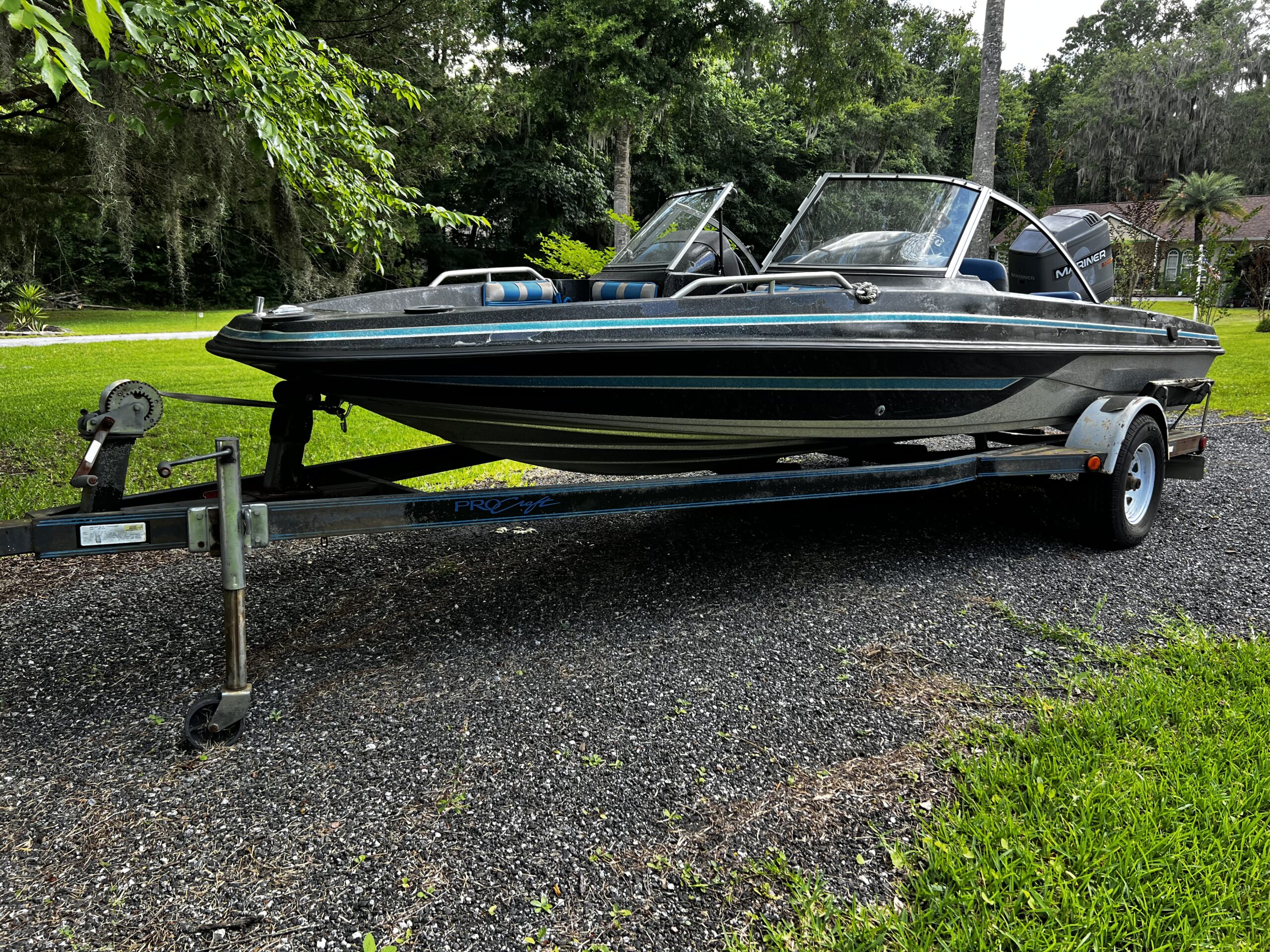
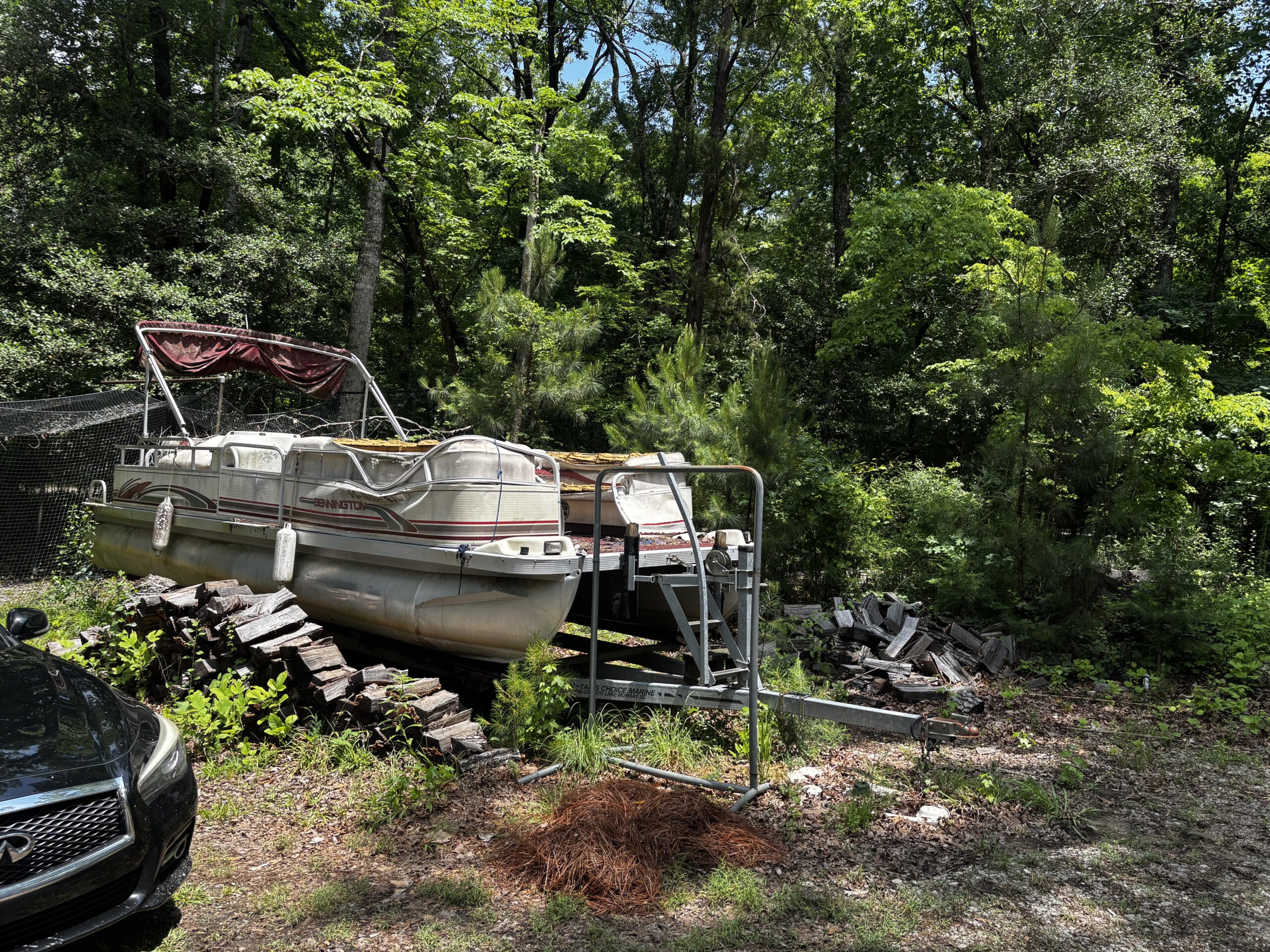
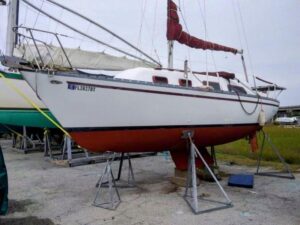
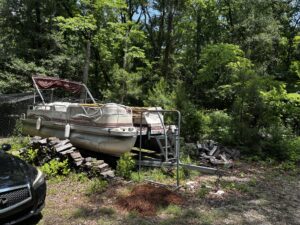
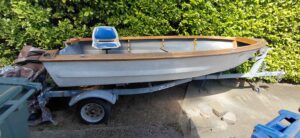
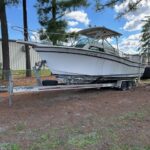
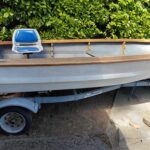
This is one of the most common Florida scenarios: a boat sitting in a yard, storage lot, or behind a home where the trailer is missing, flat, or unsafe. In these cases, the plan is all about access. If a truck can get close, the boat can often be loaded and hauled away without much drama. If access is tight, the crew plans the safest way to move it without damaging fences, landscaping, or nearby structures.
The more honest you are about access, the smoother the job goes. A quick set of photos from different angles usually helps a lot.
Boat at a marina or dock
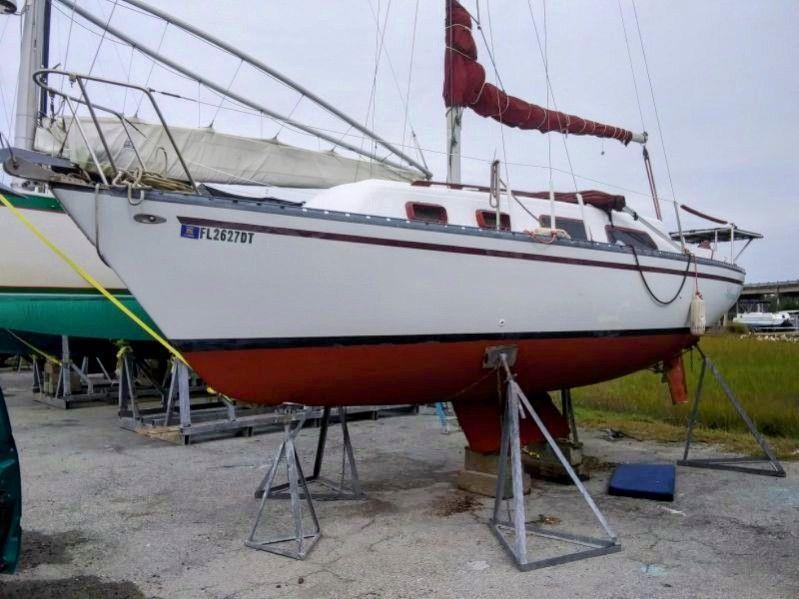
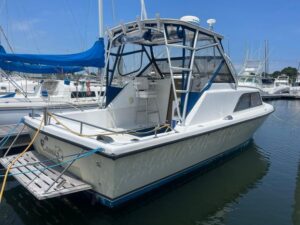
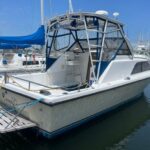
Marinas often have rules and deadlines, and that pressure is real. If a boat is sitting in a slip, on a lift, or tied to a dock, removal often needs coordination with staff. Sometimes the boat can be moved to a haul-out point. Other times, it is removed directly from the dock depending on condition and safety.
If the boat is unstable or taking on water, towing may not be enough. That is where salvage planning becomes important.
Abandoned or derelict boats near private property
Some property owners discover an abandoned boat nearby, especially in coastal and canal areas. The best first step is to document the situation and talk to a removal team about the safest and most realistic options. Ownership issues and location can change what is possible, but the goal is always the same: remove the hazard without creating a bigger legal mess.
Sunk or partially submerged boats
A sunken boat is not just heavier. It can be unstable, full of debris, and difficult to rig safely. Recovery jobs are planned carefully so the boat can be secured, lifted, and moved without causing more damage. If the boat is leaking fuel or has hazardous materials onboard, the urgency increases.
This is where Marine Salvage Services come into play. If your boat is submerged, stuck in water, or needs specialized recovery equipment, our Marine Salvage Services team can help handle the recovery side safely.
What affects the cost of boat removal in Florida
People often ask for a simple number, but boat removal is priced based on real-world factors. Two boats can be the same length and have completely different removal needs.
The biggest pricing factors are:
Location and access. A boat in an open driveway is easier than a boat behind a fence, under trees, or next to a seawall.
Condition. A stable hull is easier than a collapsing hull. A drained boat is easier than a flooded boat.
Land vs water. Water recoveries usually require more planning and equipment than land pickups.
Size and weight. Bigger boats often mean more labor and heavier equipment.
Urgency. Storm aftermath, marina deadlines, and emergency situations can affect scheduling and logistics.
The best way to get an accurate quote is to share a few photos and simple details: boat length, where it sits, whether it is on a trailer, and whether it is on land or water.
How the boat removal process usually works
Most Florida removals follow a straightforward flow:
First, you request a quote and share details. The team confirms the boat’s condition, access, and what type of equipment is needed.
Next, basic prep is discussed. You may be asked to remove personal belongings. If the boat has loose trash or obvious hazards, the plan will account for safe handling. The goal is to remove the boat cleanly without leaving a mess behind.
Then the crew arrives, secures the boat, and starts the removal. On land, this often involves loading and transport. At a marina, it may involve dockside handling or towing to a haul-out point. For recoveries, it can include controlled lifting and cleanup steps.
Finally, the boat is transported for disposal or salvage processing, depending on the situation. This last step is important because proper disposal is what closes the loop and prevents the boat from becoming someone else’s problem later.
Mistakes Florida owners should avoid
Waiting too long is a big one. In Florida, boats deteriorate fast. A boat that might have been removable with simple equipment can become a more difficult job after another year of sun, storms, and water intrusion.
Another mistake is assuming any tow company can handle a junk boat. Standard towing is not the same as removal, and removal is not always the same as salvage. If a boat is unstable, damaged, or partially submerged, it needs the right approach and the right equipment.
Also, do not ignore marina notices or local warnings. When a boat becomes a hazard, the situation can escalate quickly. Taking action earlier is usually cheaper and far less stressful.
FAQs
Do you remove boats anywhere in Florida?
Florida is one of the most common areas for boat removal. Availability depends on access and the type of job, but many land-based and marina removals can be scheduled without long delays.
Can you remove a boat without a trailer?
Yes. Many junk boats are removed without a usable trailer. The method depends on access and the boat’s condition.
What if the boat is full of trash or water?
That is common with older boats. The removal plan can include basic handling steps to transport the boat safely. Flooded or unstable boats may require specialized planning.
Is boat salvage different from boat disposal?
Yes. Salvage usually involves recovering damaged or submerged boats. Disposal focuses on the final processing after removal.
How do I get started?
The fastest way is to share the boat’s size, location, and a few photos. From there, the right removal plan becomes clear.
Ready to remove your boat in Florida?
If an old boat is taking up space, creating pressure at a marina, or turning into a hazard, professional Boat Removal in Florida is the simplest way to solve it cleanly. Share the basics, and we’ll help you figure out the most practical next step, whether it’s a standard removal, a tow-away plan, or salvage support.