

Tow Away Boat in New York (NY): Solutions for Non-Running or Derelict Boats
A boat can go from “I’ll deal with it later” to “I need it gone now” quicker than most people expect. One season turns into two. The motor stops turning over. The trailer sinks into the ground. The cover tears, water gets inside, and suddenly the boat is full of mildew and junk. Or you get a call from a marina telling you the boat has to be moved by a certain date.
If you’re dealing with a non-running or derelict boat, the phrase “tow away” sounds simple. In New York, it can be simple, but only if the plan matches the situation. Access, trailer condition, marina rules, and the boat’s structural condition all determine whether it’s a straightforward tow or a job that needs a more careful approach.
This guide explains the most common New York scenarios, what towing actually involves, what affects pricing, and how to prepare so the boat can be removed and disposed of without extra stress.
What “tow away boat” means in New York
“Towing” can mean different things depending on where the boat is sitting.
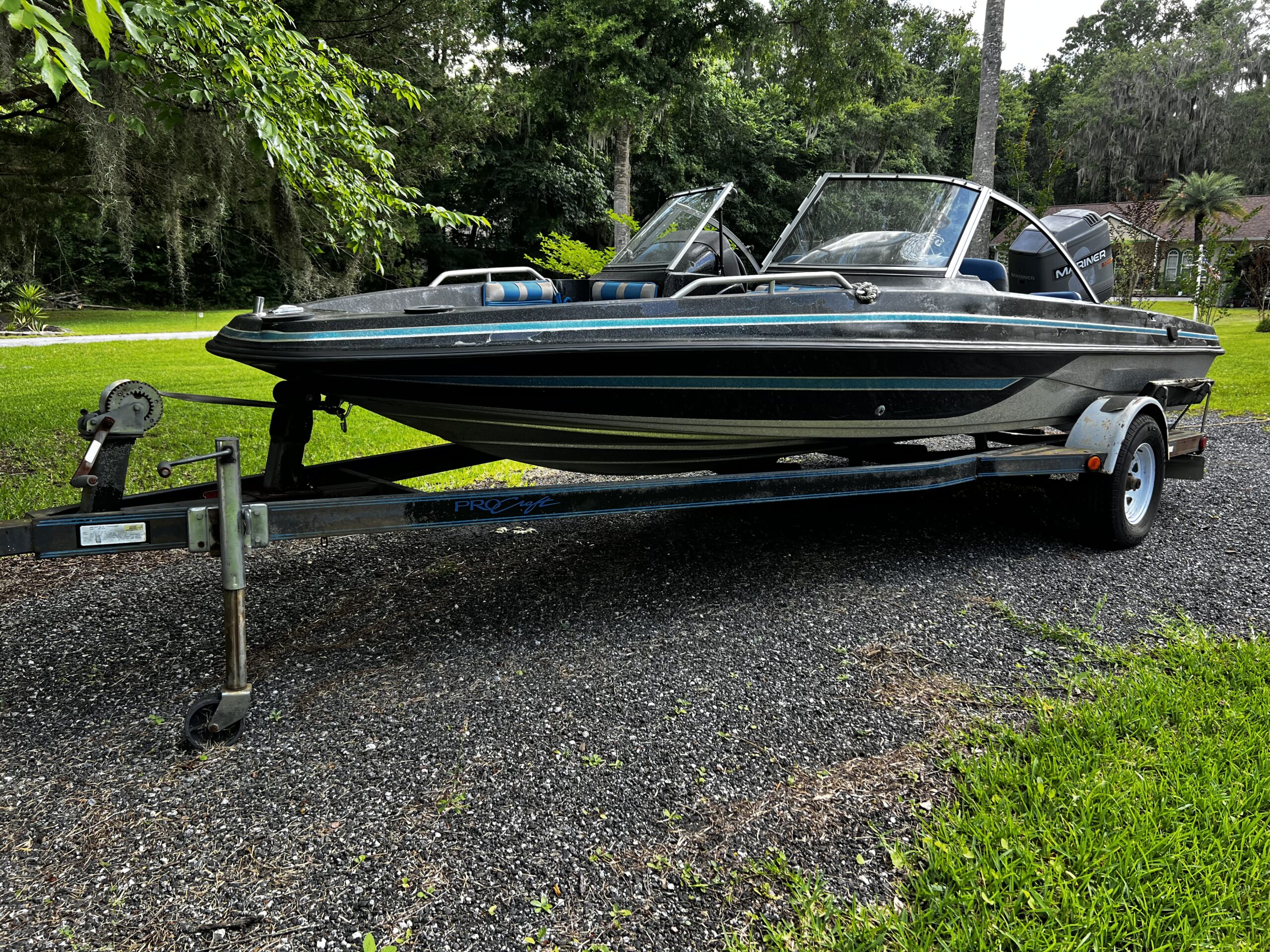
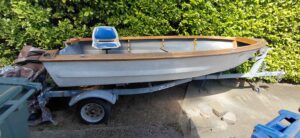
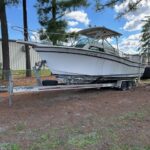
If the boat is on a roadworthy trailer and the pickup spot is accessible, towing may mean hitching up and transporting it like any other load.
If the trailer is broken, missing, or unsafe, “tow away” becomes more like a removal job where the boat needs to be loaded and transported using the right equipment.
If the boat is in the water, partially submerged, stuck, or unstable, towing may not be safe. That can shift the job toward recovery and salvage planning.
If you want the simplest starting point for a land-based situation, our Boat Removal service explains how pickup and transport typically work when the goal is getting the vessel off your property cleanly.
Common reasons boats become non-running or derelict
Most “junk boat” calls share a similar story. Owners didn’t plan to abandon the boat. Life happened, and the boat got stuck in limbo.
Here are common causes:
The engine is seized, missing, or too expensive to repair
The electrical system is corroded or stripped
The boat has been sitting outdoors and water intrusion caused mold and rot
The trailer has flat tires, seized bearings, or a rusted frame
The boat is damaged from a storm or impact
The boat was inherited or left behind after a move
Marina fees or storage fees are piling up
In any of these cases, a tow-away plan is usually about removing the boat in the safest, quickest way, then finishing with proper disposal so the problem is actually done.
Your tow-away options in New York
Option 1: Tow it away on a usable trailer
This is the cleanest and fastest scenario.
If the trailer is safe, tires hold air, bearings are not locked, lights can be handled, and the boat is secured, towing is typically straightforward. A professional team will still confirm access and safety so the transport is legal and controlled.
Option 2: Tow-away removal when the trailer is not usable
This is more common than people admit.
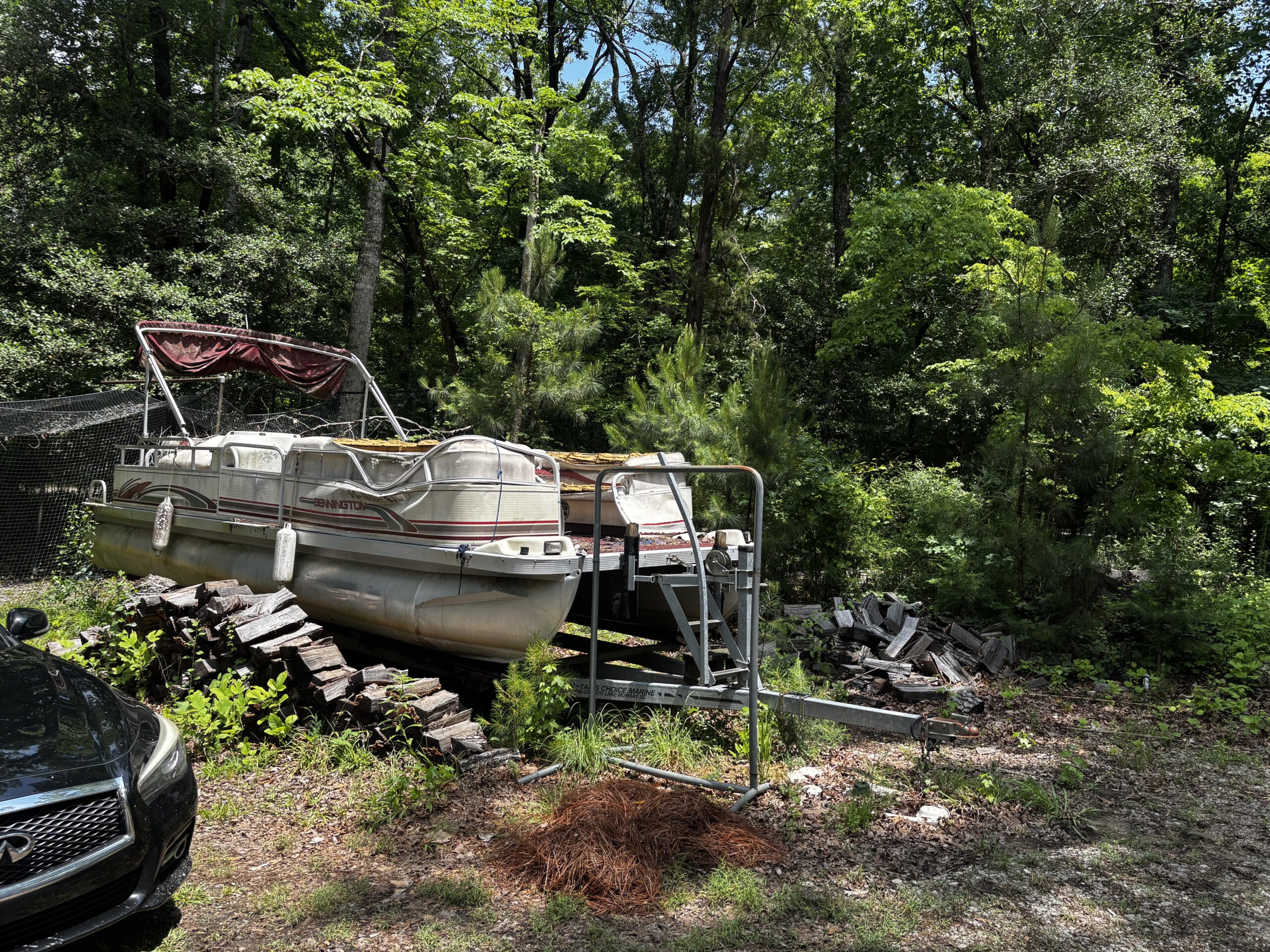
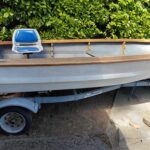
A trailer can look “fine” from a distance but still be unsafe due to rusted frame rails, rotten bunks, seized hubs, missing winch straps, or tires that will not hold. In those cases, the boat may need to be loaded and hauled using equipment that does not rely on the trailer being roadworthy.
This is also common in tight New York spaces like backyards, narrow driveways, storage yards, and marina lots where turning radius is limited.
Option 3: Salvage support when towing is not safe
If the boat is partially submerged, sunk, pinned, or unstable, towing can make the situation worse. It can tear the hull, spill debris, or break the vessel apart.
If your boat is in water and recovery is needed, Marine Salvage Services is usually the right direction because it focuses on stabilization and controlled recovery rather than simply pulling.
New York-specific towing challenges that affect pickup
New York has a unique mix of environments: dense urban areas, suburban neighborhoods, lakes and rivers, and large coastal zones. The same boat can be easy to remove in one location and difficult in another.
Here are the most common towing challenges:
Tight access and limited turning space, especially in older neighborhoods
Gated driveways and narrow side yards where a trailer cannot swing out
Boats stored behind other vehicles or blocked by debris
Soft ground that swallows trailer tires after rain
Marina schedules and rules that require coordination and specific working hours
Seasonal timing when storage yards are crowded and boats are packed in tightly
The fastest way to avoid delays is to share clear photos that show the boat and the path out. A couple of pictures from the front, back, and sides usually saves a lot of back-and-forth.
What affects the cost of towing away a boat in New York
There is no one-size price because removal is priced based on the real complexity of the job. The biggest cost drivers are predictable:
Location and access
A boat in an open driveway is easier than one stuck behind a fence, on soft ground, or in a tight marina lot.
Trailer status
A good trailer often lowers complexity. A dead trailer usually increases labor, loading needs, and planning.
Boat size and weight
Larger boats may require heavier equipment, more labor, and more careful transport.
Condition of the hull
A stable boat is easier than a boat that is collapsing, waterlogged, or full of debris.
Land vs water
Land-based tow-away jobs are usually simpler than water recovery jobs.
Scheduling urgency
If a marina deadline is tight or the situation is escalating, scheduling and logistics can affect the plan.
If you want the cleanest estimate, provide the boat’s approximate length, where it sits, whether it’s on a trailer, and a few photos that show access.
How the tow-away process usually works
A professional tow-away job is mostly about planning and execution. Here is what you can expect in most New York land-based scenarios.
Step 1: Quick quote details
You share basic info: boat length, location, trailer condition, and access notes. Photos help confirm what equipment is needed.
Step 2: Prep guidance
You will usually be asked to remove personal items you want to keep. If the boat is full of loose trash, waterlogged cushions, or heavy debris, it helps to mention it upfront.
Step 3: On-site pickup
The crew arrives, secures the boat, confirms safe movement, and removes it using the planned method. If the trailer is usable, the boat may be towed directly. If not, the crew will use the right loading plan based on access and condition.
Step 4: Transport to disposal or processing
The last step is where many people get stuck when they try to DIY the situation. Getting the boat off your property is not the same as finishing disposal.
To understand how the job ends cleanly, our Boat Disposal page explains what typically happens after pickup.
What you should do before pickup day
You do not need to spend days preparing, but a few practical steps can make a big difference.
Remove personal belongings you want to keep
Clear a path if the boat is blocked by other items
Let the crew know about gates, tight turns, trees, or soft ground
If the boat is at a marina or storage yard, confirm access hours and contact points
Take a few photos of the boat and access route for planning
If the boat is unstable or in a risky spot, do not put yourself in danger trying to “fix it up” first. The removal plan can handle difficult boats as long as the situation is described accurately.
What about truly abandoned or derelict boats?
People often use the word “abandoned” loosely. Sometimes the boat is legally yours but has been sitting for years. Sometimes it was left behind by a prior owner, tenant, or neighbor. Sometimes a marina is dealing with a boat that has been ignored.
Ownership and documentation requirements can vary based on where the boat is located and the circumstances. The best move is to explain the situation clearly when requesting a quote so the removal plan can match what is realistically possible.
FAQs
Can you tow away a boat in New York if it does not run?
Yes. “Non-running” usually refers to the engine, but removal focuses on transport. The key factors are access, trailer status, and whether the boat is structurally stable.
What if the trailer has flat tires or is rusted out?
That is common. If the trailer is unsafe, the plan can shift to removal methods that do not depend on a roadworthy trailer.
Do you remove boats from marinas and storage yards?
Yes, but timing often needs coordination with marina or facility rules. Sharing details in advance helps avoid delays.
Is tow-away the same as disposal?
No. Tow-away is the pickup and transport. Disposal is the final step that processes the vessel so the problem is actually finished, not just moved.
What if the boat is stuck in water or partially submerged?
That may require recovery planning instead of normal towing. In those cases, salvage-focused support is usually the safest option.
Ready to tow away your boat in New York?
If your boat is non-running, derelict, or simply taking up space, towing it away is usually the quickest path to getting your property back and ending the headache. The key is choosing a plan that matches your situation, then completing the job with proper disposal so it doesn’t come back as another problem later.