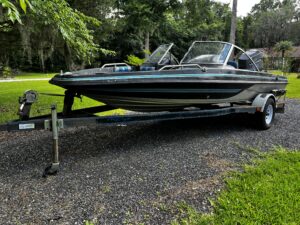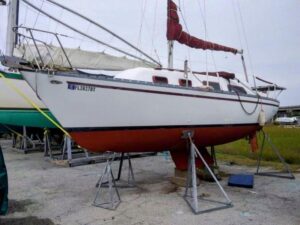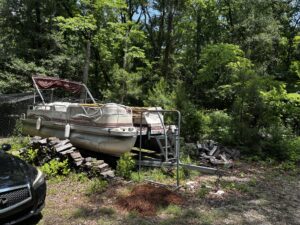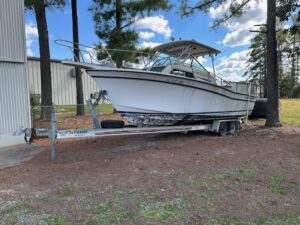


Boat Removal Mobile AL | Junk Boat Disposal & Hauling
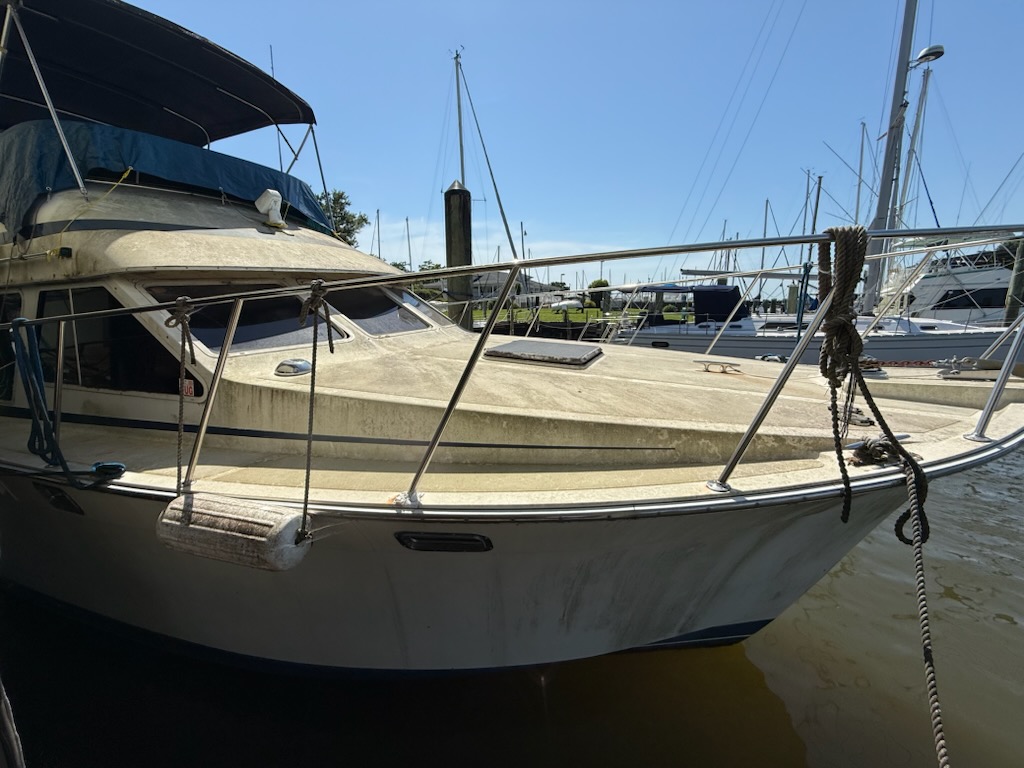
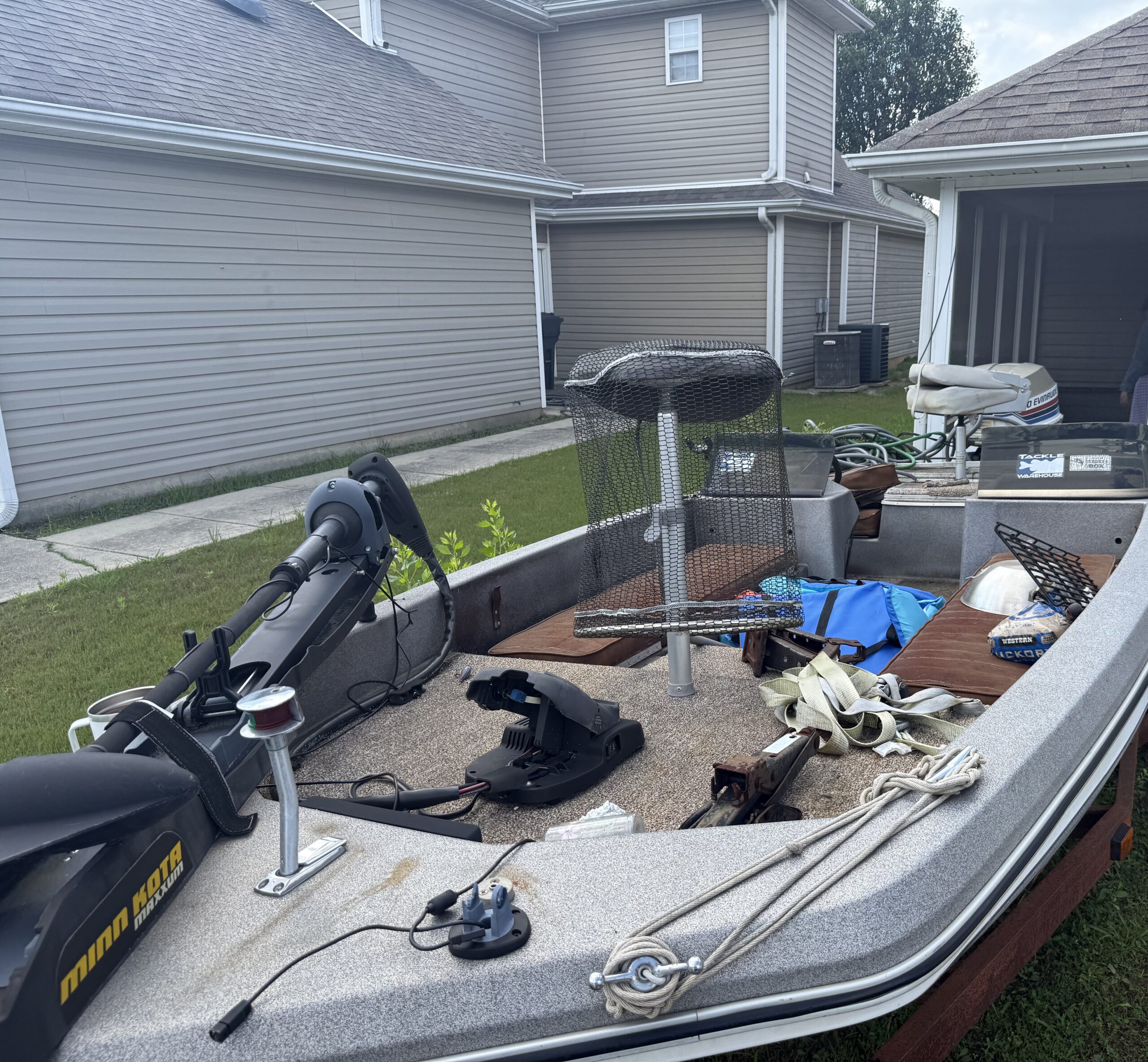
Need an Old Boat Gone in Mobile, AL? Professional Boat Removal & Disposal Made Simple
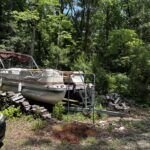
Some unwanted boats in Mobile spend their final years nowhere near open water. They sit behind houses, deteriorate beside workshops, occupy valuable marina slips, or remain parked on trailers that haven’t been roadworthy in years. Others are still along the waterfront but have suffered enough mechanical, structural, or storm-related damage that returning them to service simply doesn’t make financial sense.
Getting rid of one can be considerably harder than deciding you no longer want it.
Boat Removal Service provides professional boat removal and disposal throughout Mobile, AL and surrounding Gulf Coast communities. We help residential property owners, marinas, marine businesses, commercial operators, and property managers deal with boats that need to go—whether they’re sitting on land, stored at a marine facility, or require specialized equipment to move.
Mobile’s Working Waterfront Creates Unique Removal Jobs
Mobile isn’t exclusively a recreational boating community. The city’s connection to Mobile Bay, the Mobile River, and the surrounding Gulf Coast supports commercial fishing, marine contractors, industrial waterfront operations, charter businesses, and recreational boating.
That means an unwanted vessel here could be anything from a small aluminum fishing boat to a heavily used commercial workboat.
We can evaluate removal projects involving:
- Shrimp boats
- Fishing vessels
- Center consoles
- Bay boats
- Workboats
- Charter fishing boats
- Sailboats
- Cabin cruisers
- Pontoon boats
- Aluminum boats
- Fiberglass boats
- Utility vessels
- Personal watercraft
- Small yachts
- Commercial marine vessels
The size of the boat doesn’t tell the whole story. Its condition, location, accessibility, and available transportation equipment are equally important when determining how the removal should be handled.
When the Trailer Is Almost as Bad as the Boat
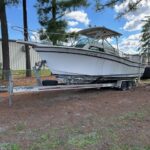
One of the most common problems with long-neglected boats is a deteriorated trailer.
A trailer may look usable while having serious problems underneath. Saltwater exposure and years of inactivity can contribute to rusted frames, seized bearings, damaged axles, deteriorated tires, failed lights, and braking problems.
Trying to tow equipment like this on public roads can create unnecessary risks.
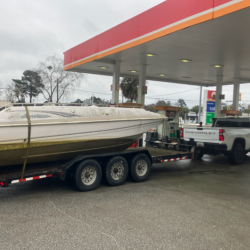
If the existing trailer isn’t roadworthy, Boat Removal Service can evaluate alternative loading and hauling options. Depending on the situation, a project may require hydraulic equipment, winches, lifting machinery, or another suitable transport method.
Having a broken trailer doesn’t automatically mean the boat has to stay where it is.
Clearing Boats From Mobile Homes and Private Properties
An old vessel can consume a surprising amount of usable property.
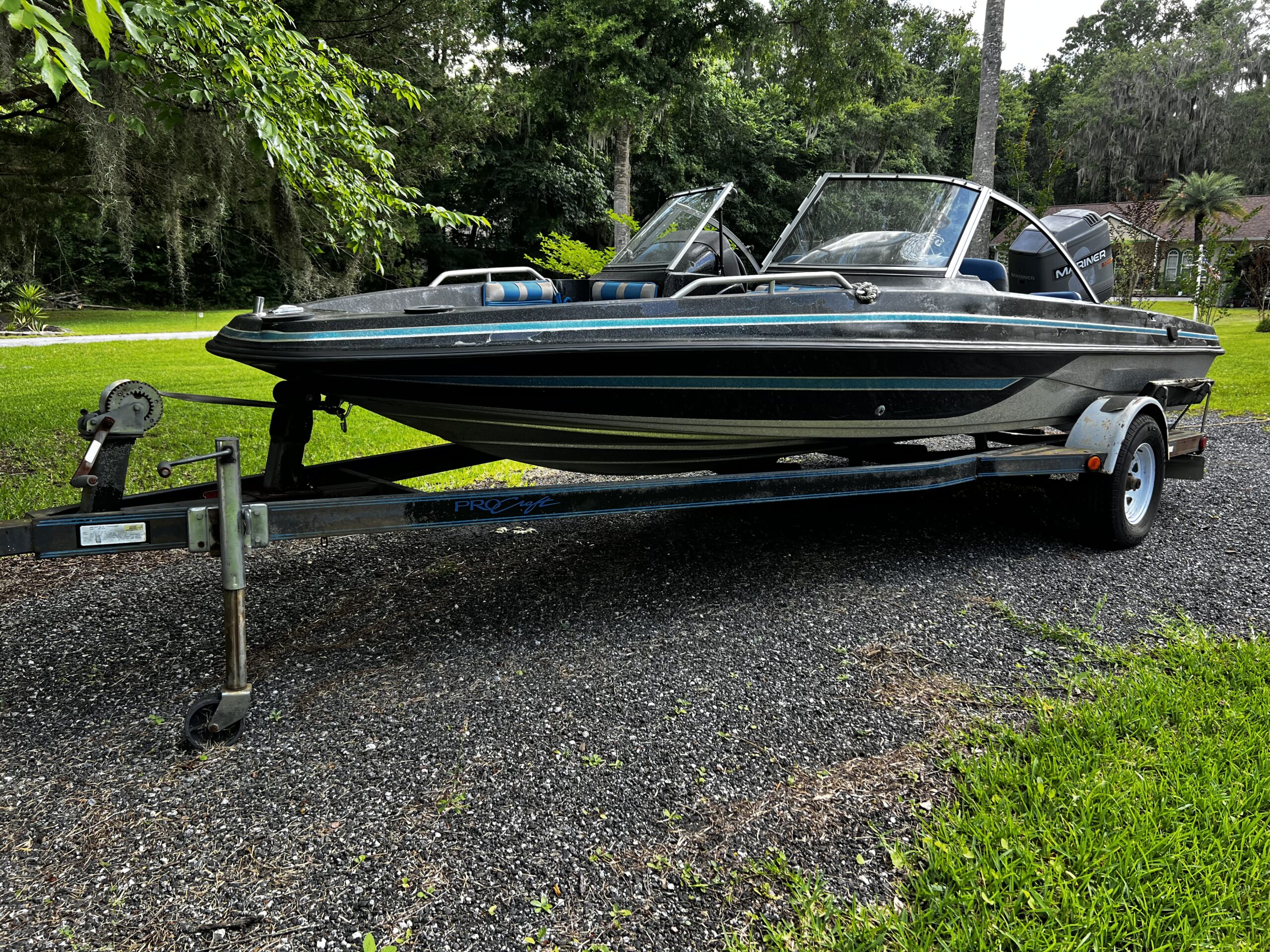
A boat and trailer may occupy an entire side yard or driveway. Larger vessels can interfere with construction projects, landscaping, property sales, or simply the owner’s ability to use the space.
Residential boat removal can involve boats located in:
- Driveways
- Backyards
- Side yards
- Waterfront properties
- Rural acreage
- Storage buildings
- Vacant lots
- Rental properties
- Commercial yards
Access conditions are especially important.
A boat surrounded by open pavement presents a very different removal than one sitting behind a fence between a house and detached garage. Evaluating the property beforehand helps determine what equipment can safely reach the vessel.
Why Boats Around Mobile Eventually Become Too Expensive to Keep
There doesn’t have to be one catastrophic failure before an owner decides enough is enough.
Sometimes an older boat accumulates problems slowly. The motor needs work. Upholstery deteriorates. Wiring becomes unreliable. The trailer needs repairs. Then another season passes and the hull develops additional problems.
Eventually, the owner realizes they’re paying to store something they aren’t using.
Common reasons for boat removal around Mobile include:
- Engine failure
- Hull deterioration
- Transom damage
- Electrical problems
- Saltwater corrosion
- Storm damage
- Flooding
- Water intrusion
- Unsafe trailers
- High repair estimates
- Long-term storage expenses
- Abandoned restoration projects
- Inherited vessels
When repairs exceed what you’re willing to invest, removing the boat can finally put an end to the ongoing expense.
Marina, Boatyard, and Waterfront Facility Removal
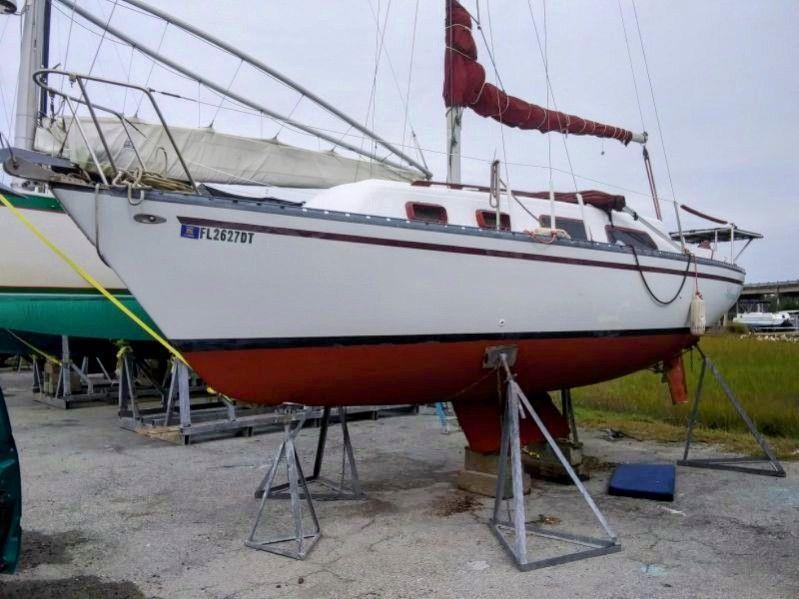
Marinas and boatyards can’t afford to dedicate valuable space indefinitely to vessels that aren’t being maintained or used.
Boat Removal Service can coordinate with marine facilities when an authorized boat needs to be hauled away from:
- Marina slips
- Boatyards
- Dry storage areas
- Yacht clubs
- Marine repair facilities
- Commercial docks
- Waterfront businesses
- Storage compounds
These removals may require coordination with facility managers, especially when lifts, cranes, restricted access areas, or neighboring vessels are involved.
Planning ahead helps minimize disruption to normal marina operations while allowing the unwanted boat to be cleared efficiently.
Storm-Damaged Boats Along Alabama’s Gulf Coast
Severe coastal weather creates a category of boat removal that requires additional care.
Hurricanes, tropical storms, high winds, flooding, and storm surge can push vessels onto shore, damage boats against docks, fill hulls with water, or move boats away from their original storage locations.
Boat Removal Service can evaluate:
- Hurricane-damaged vessels
- Flooded boats
- Waterlogged boats
- Boats knocked from trailers
- Dock-damaged vessels
- Partially submerged boats
- Collision-damaged boats
- Structurally compromised hulls
Damaged vessels shouldn’t automatically be treated like ordinary towing jobs.
A weakened hull, unstable deck, leaking fluid, or damaged fuel system can change how the boat needs to be loaded and transported.
Commercial and Shrimp Boat Removal in the Mobile Area
Mobile’s maritime economy gives commercial vessel removal greater importance than in many inland markets.
Fishing operations, shrimping businesses, marine contractors, charter operators, and waterfront companies may eventually need to retire older vessels that are no longer dependable enough for daily service.
Commercial projects may involve:
- Shrimp boats
- Commercial fishing boats
- Charter vessels
- Marine contractor boats
- Utility boats
- Service vessels
- Workboats
- Small commercial craft
These jobs are assessed individually because commercial vessels can contain heavier machinery, additional fuel capacity, specialized equipment, and dimensions that require more involved transportation planning.
We Plan the Removal Around the Boat—Not the Other Way Around
A successful boat removal starts by understanding exactly what is sitting at the pickup location.
Before determining the best hauling method, several details may need to be considered:
- Vessel length and beam
- Approximate weight
- Hull material
- Structural condition
- Engine configuration
- Trailer availability
- Ground conditions
- Property access
- Overhead clearance
- Loading requirements
- Transportation route
Photos can be especially helpful when requesting an estimate because they allow the condition of the boat, trailer, and surrounding property to be evaluated before scheduling.
A 16-foot aluminum fishing boat sitting beside a garage shouldn’t require the same plan as a deteriorated cabin cruiser resting on blocks at a boatyard.
Matching the equipment to the actual job helps make removal safer and more efficient.
Responsible Boat Disposal Near Mobile Bay
Removing the vessel from your property is only one part of the process.
Old boats can contain materials that shouldn’t simply be left to deteriorate near Alabama’s waterways. Depending on the vessel, this can include gasoline, diesel fuel, motor oil, batteries, hydraulic fluid, electrical equipment, metal components, and other marine materials.
Whenever practical, recoverable components can be separated for salvage or scrapping before the remaining vessel is sent for appropriate disposal.
That approach is particularly important around a region shaped by Mobile Bay, Dog River, Mobile River, and the broader Gulf Coast.
Boat Removal Service works to provide owners with a practical way to clear unwanted vessels while handling the disposal process responsibly.
Whether the boat is a forgotten fishing vessel behind your home, an aging shrimp boat, a marina project that never got finished, or a storm-damaged hull that needs to disappear, professional removal can finally free the space and eliminate the burden.
When a Boat Is Left Behind With an Estate or Property
Not every unwanted boat belongs to someone who actively decided to dispose of it. Boats are frequently discovered during estate settlements, property purchases, foreclosures, and commercial cleanouts. In some situations, the vessel hasn’t been touched in years and nobody involved with the property has the equipment needed to move it.
Boat Removal Service can assist with authorized removals involving:
- Estate properties
- Probate cleanouts
- Inherited boats
- Foreclosed properties
- Rental property turnovers
- Waterfront home sales
- Commercial property cleanouts
- Vacant land
- Storage facility cleanups
Getting the vessel removed can make it much easier to prepare a property for sale, renovation, or a new owner.
Scrapping and Salvaging What Can Still Be Used
A boat can be finished as a vessel without every part of it being worthless.
Depending on its construction and condition, an unwanted boat may contain metals, equipment, and components that can be separated before the remaining structure is disposed of.
Potentially recoverable materials include:
- Aluminum
- Stainless steel
- Copper wiring
- Brass hardware
- Propellers
- Anchors
- Engines
- Boat trailers
- Batteries
- Marine electronics
- Fuel tanks
- Navigation equipment
Boat Removal Service looks for practical opportunities to salvage or scrap usable materials rather than unnecessarily sending everything to final disposal.
Fiberglass Hulls Present Their Own Disposal Challenges
Many recreational boats around Mobile are built from fiberglass. It’s strong enough to survive years of marine use, but that durability also makes an old fiberglass hull different from ordinary household junk.
Before a vessel can be fully processed, fluids, batteries, engines, wiring, electronics, and metal hardware may need to be addressed separately.
A typical disposal process may involve:
- Draining remaining fuel and fluids.
- Removing batteries and electrical components.
- Separating the engine and mechanical equipment.
- Recovering scrap metal and reusable hardware.
- Removing electronics and other equipment.
- Breaking down the fiberglass structure when necessary.
- Transporting remaining material for approved disposal.
The exact process depends on the boat, but separating different materials helps make disposal more manageable and responsible.
Insurance Total-Loss Boat Removal
Sometimes the decision to remove a boat happens suddenly.
A fire, collision, hurricane, flooding event, or major structural failure can transform a usable vessel into an insurance total loss. Even after the claim is settled, someone still needs to get the damaged boat out of the marina, yard, storage facility, or waterfront property.
Boat Removal Service can coordinate removal for vessels affected by:
- Fire
- Flooding
- Storm surge
- Hurricane damage
- Dock collisions
- Grounding
- Hull failure
- Partial sinking
- Other major insured losses
Because damaged vessels can be unstable, removal may require additional preparation before the boat can be safely lifted or transported.
How Much Does Boat Removal Cost in Mobile?
Boat removal pricing depends heavily on what needs to happen between the boat’s current location and final disposal.
A small fishing boat already sitting on a usable trailer may be relatively straightforward. A large fiberglass cruiser without a trailer, surrounded by limited access, could require significantly more equipment and labor.
Important pricing factors include:
- Boat size
- Approximate weight
- Vessel condition
- Trailer availability
- Property accessibility
- Loading requirements
- Specialized equipment
- Transportation distance
- Dismantling requirements
- Disposal needs
Providing photographs of the boat and surrounding area can make the initial assessment considerably easier.
Boat Removal Service evaluates each project individually so the removal plan reflects the actual vessel rather than relying on a generic one-price-fits-all approach.
Abandoned and Long-Stored Boat Removal
Boats have a habit of becoming permanent fixtures once they stop moving.
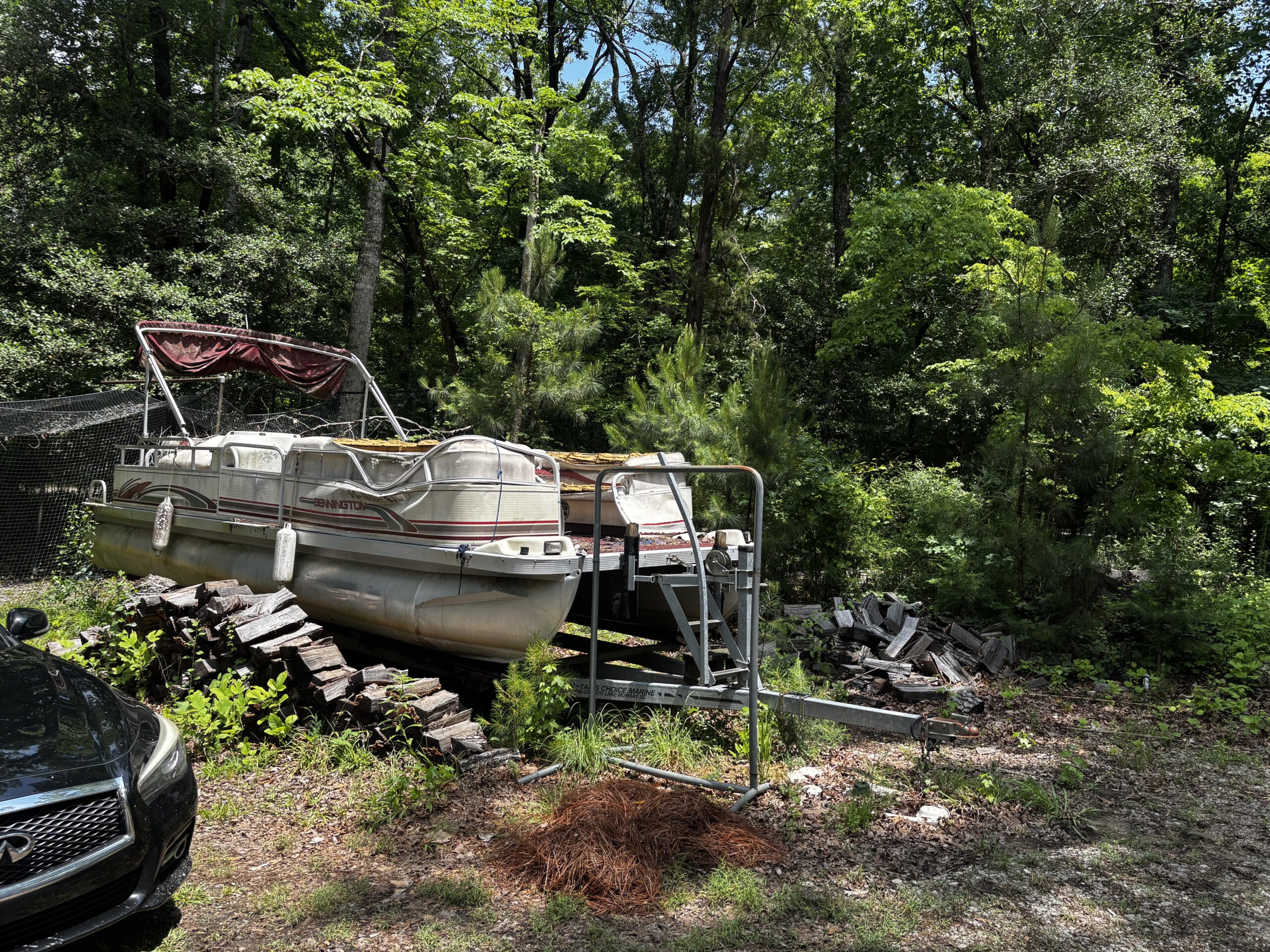
A restoration gets postponed. The engine never gets repaired. Registration expires. Tires go flat. Vegetation begins growing around the trailer. Before long, several years have passed.
Boat Removal Service regularly deals with:
- Forgotten project boats
- Long-stored fishing boats
- Boats with missing engines
- Deteriorated trailers
- Unregistered vessels
- Partially dismantled boats
- Abandoned watercraft
- Boats that haven’t moved in years
The worse the condition becomes, the more important it is to evaluate the vessel before attempting to move it.
Clearing Space for Marinas and Marine Businesses
An unusable vessel can be more than an eyesore for a commercial facility—it can occupy space that should be generating revenue.
Boat Removal Service can work with authorized marina operators, boatyards, storage facilities, and marine businesses to clear unwanted vessels after the appropriate ownership and removal requirements have been addressed.
This can help reclaim:
- Marina slips
- Dry storage positions
- Repair yard space
- Commercial docks
- Equipment yards
- Boat storage lots
For businesses managing multiple unwanted vessels, removal can also be coordinated as part of a larger property cleanup rather than treating every boat as an unrelated project.
Frequently Asked Questions About Boat Removal in Mobile, AL
Can you remove a boat without a working trailer?
Yes. A usable trailer isn’t always necessary. Depending on the boat and location, specialized loading and transportation equipment can be used.
Can you remove an old shrimp boat?
Commercial shrimp boats and fishing vessels can be evaluated for removal. Larger vessels may require additional equipment and transportation planning.
Do you take fiberglass boats?
Yes. Fiberglass fishing boats, runabouts, cruisers, project boats, and other unwanted fiberglass vessels can be removed for dismantling and disposal.
What if the boat has been sitting for ten years?
Long-term storage isn’t unusual. Photos of the hull, trailer, tires, and surrounding area can help determine what equipment may be required.
Can you remove boats from marinas?
Yes. Marina removals can be coordinated with the facility once the boat is authorized for removal.
Can you remove hurricane-damaged boats?
Yes. Storm-damaged, flooded, waterlogged, and structurally compromised vessels can be evaluated for removal.
Do you remove the trailer too?
In many cases, yes. If the trailer is unsafe for road use, it may need to be loaded and transported rather than simply towed.
What should I send when requesting a quote?
Photos are extremely helpful. Include the approximate boat length, pickup location, trailer condition, and any information about gates, fences, soft ground, buildings, or other access restrictions.
Boat Removal Throughout Mobile and Surrounding Communities
Boat Removal Service provides service in Mobile and surrounding areas of Alabama’s Gulf Coast, including:
- Mobile
- Theodore
- Tillmans Corner
- Dauphin Island
- Bayou La Batre
- Saraland
- Chickasaw
- Prichard
- Semmes
- Grand Bay
- Spanish Fort
- Daphne
- Fairhope
Availability for individual projects depends on the vessel, pickup location, and equipment requirements.
Stop Working Around a Boat You No Longer Want
An unwanted boat can consume driveway space, marina fees, repair money, and attention long after you’ve stopped enjoying it.
You don’t have to keep waiting for the perfect time to restore a vessel you know you’re finished with.
Boat Removal Service provides professional boat removal and disposal throughout Mobile, Alabama, handling everything from residential fishing boats and fiberglass project vessels to marina removals, storm-damaged watercraft, shrimp boats, and commercial marine equipment.
If the trailer is shot, we’ll evaluate another way to move it. If the boat hasn’t run in years, we’ll plan around its current condition. If it’s sitting somewhere difficult to access, we’ll determine what equipment the location requires.