

Boat Removal in Charleston, SC | Junk Boat Disposal & Hauling
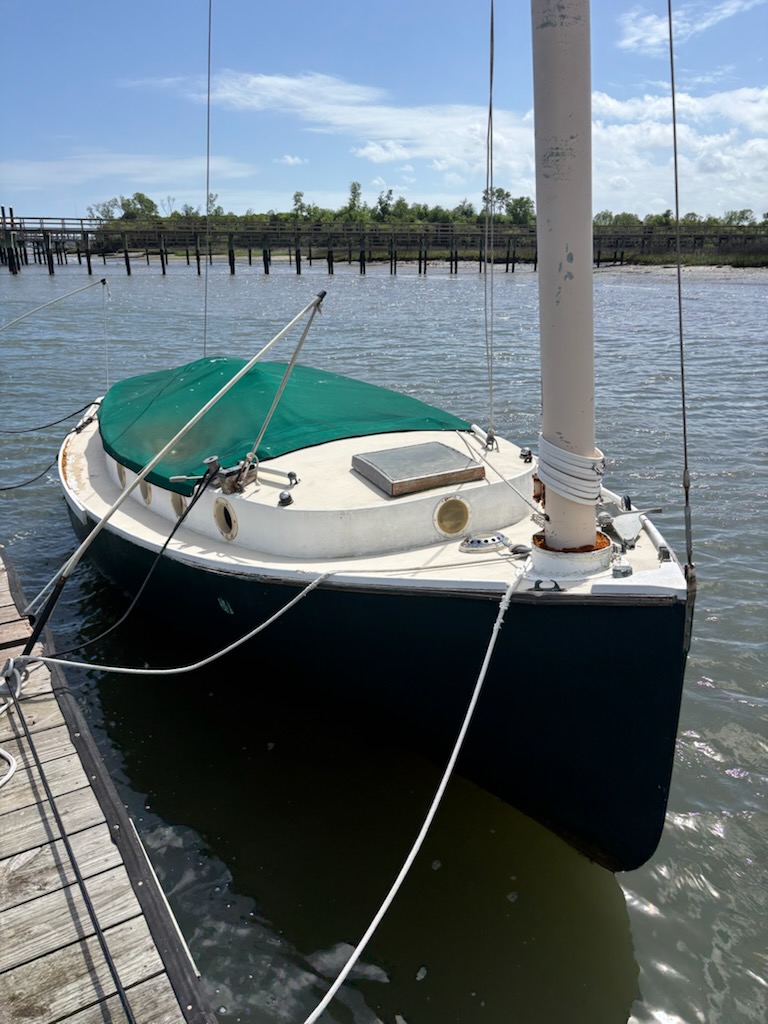
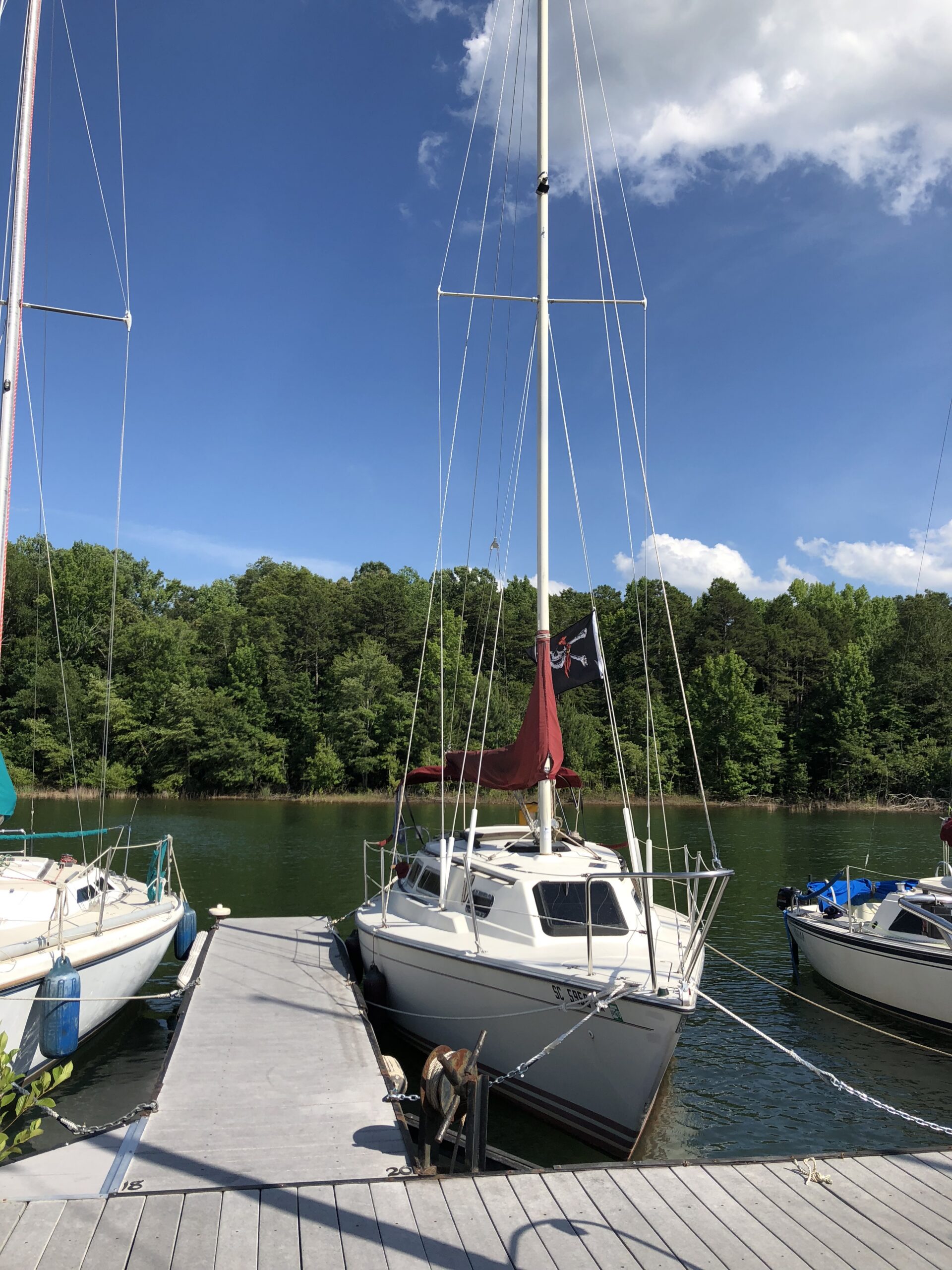
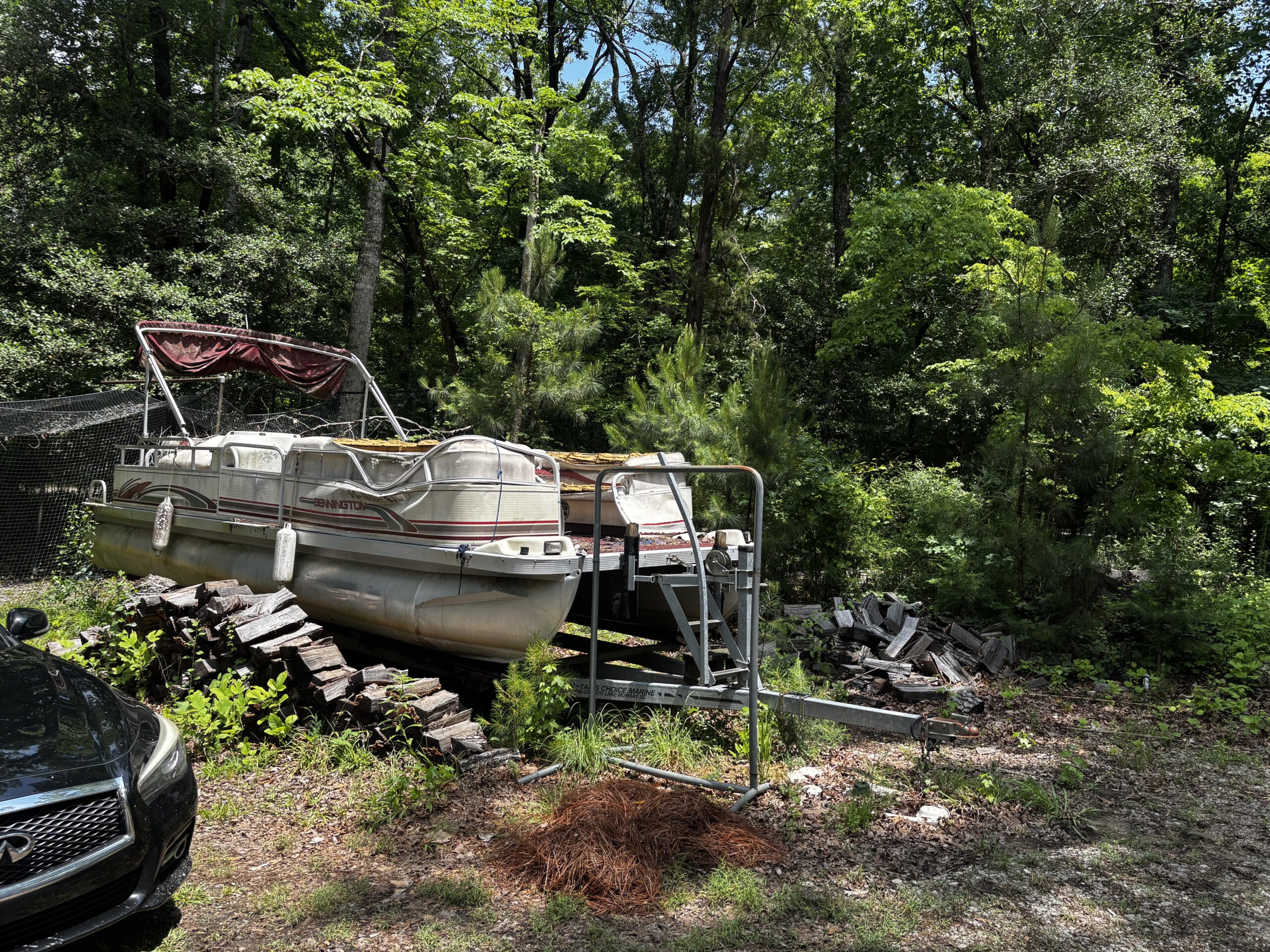
Charleston’s waterways are a major part of Lowcountry life. Boats are found at private homes, neighborhood docks, marinas, boatyards, storage facilities, and commercial waterfront properties throughout the area. Fishing boats, center consoles, sailboats, pontoons, cruisers, and other vessels can provide years of use, but eventually some become more trouble than they’re worth.
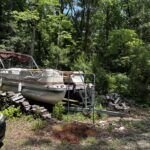
An aging boat may have a dead engine, deteriorating fiberglass, a damaged trailer, storm damage, or years of deferred maintenance. Others simply sit unused because the owner no longer has the time or money to keep them.
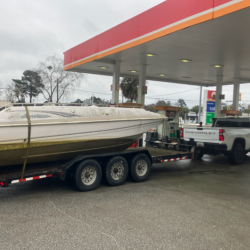
Boat Removal Service provides boat removal in Charleston, SC for homeowners, businesses, marinas, boatyards, property managers, and other authorized customers. Each project is evaluated according to the vessel’s size, condition, location, and accessibility.
When Does an Old Boat Need to Go?
A boat does not have to be completely destroyed before removal becomes practical. Sometimes one major repair is enough to make continued ownership difficult. In other cases, years of sitting outdoors have created multiple problems at once.
Common reasons for removing a boat include:
- Failed or seized engines
- Rotten decks or soft transoms
- Cracked or deteriorated fiberglass
- Electrical and steering problems
- Water intrusion
- Storm or flood damage
- Rusted or unusable trailers
- Unfinished restoration projects
- Long-term storage
- Inherited vessels
- Boats that are simply no longer wanted
Repairing an older vessel can quickly become expensive when the engine, trailer, electronics, interior, and structural components all need attention. If the boat has spent more time sitting than being used, removal may be the more practical way to reclaim the space.
Residential Boat Removal in Charleston
Old boats often become permanent fixtures at Charleston-area homes. A vessel that was once used for weekend fishing may eventually spend years in a driveway or side yard.
Boat Removal Service can arrange authorized residential removals from driveways, yards, private storage areas, waterfront homes, rental properties, vacation homes, and other accessible locations.
Access matters. A boat in an open driveway may be straightforward to load, while one behind a fence, beside a house, or on a narrow Lowcountry property may require more planning. Waterfront properties can present additional challenges when a vessel is near a dock, seawall, marsh, or tidal creek.
Before hauling begins, the removal plan should account for the boat’s dimensions and the available path for loading equipment.
Boat Removal From Charleston Marinas
Charleston has an active boating and marine-service community, and marinas and boatyards can eventually accumulate vessels that owners no longer maintain.
A boat may remain in storage after an engine failure, an abandoned restoration project, a change in ownership, storm damage, or years of neglect. At a commercial facility, an unwanted vessel can also consume a slip or storage position that could otherwise be used for an active customer.
Marina boat removal may require coordination with management, access to a loading area, and consideration of nearby boats and structures. Depending on the vessel, a trailer, forklift, travel lift, crane, or other appropriate equipment may be needed.
Boat Removal Service works with authorized parties to plan the removal around the facility and the vessel.
Boat Removal Without a Working Trailer
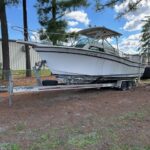
A deteriorated trailer is one of the most common complications with an old boat.
Coastal exposure can contribute to corrosion, while years of inactivity can leave tires, bearings, bunks, axles, couplers, and winches in poor condition. A trailer that looks usable at first glance may not be safe to tow.
Boat removal without a working trailer requires a different approach. The boat’s weight, position, ground clearance, and access to the property all have to be considered.
This is especially important for larger fishing boats, sailboats, cabin cruisers, and vessels that have remained in one location for years. A missing or failed trailer does not automatically mean the boat cannot be removed.
Fishing Boat and Sailboat Removal
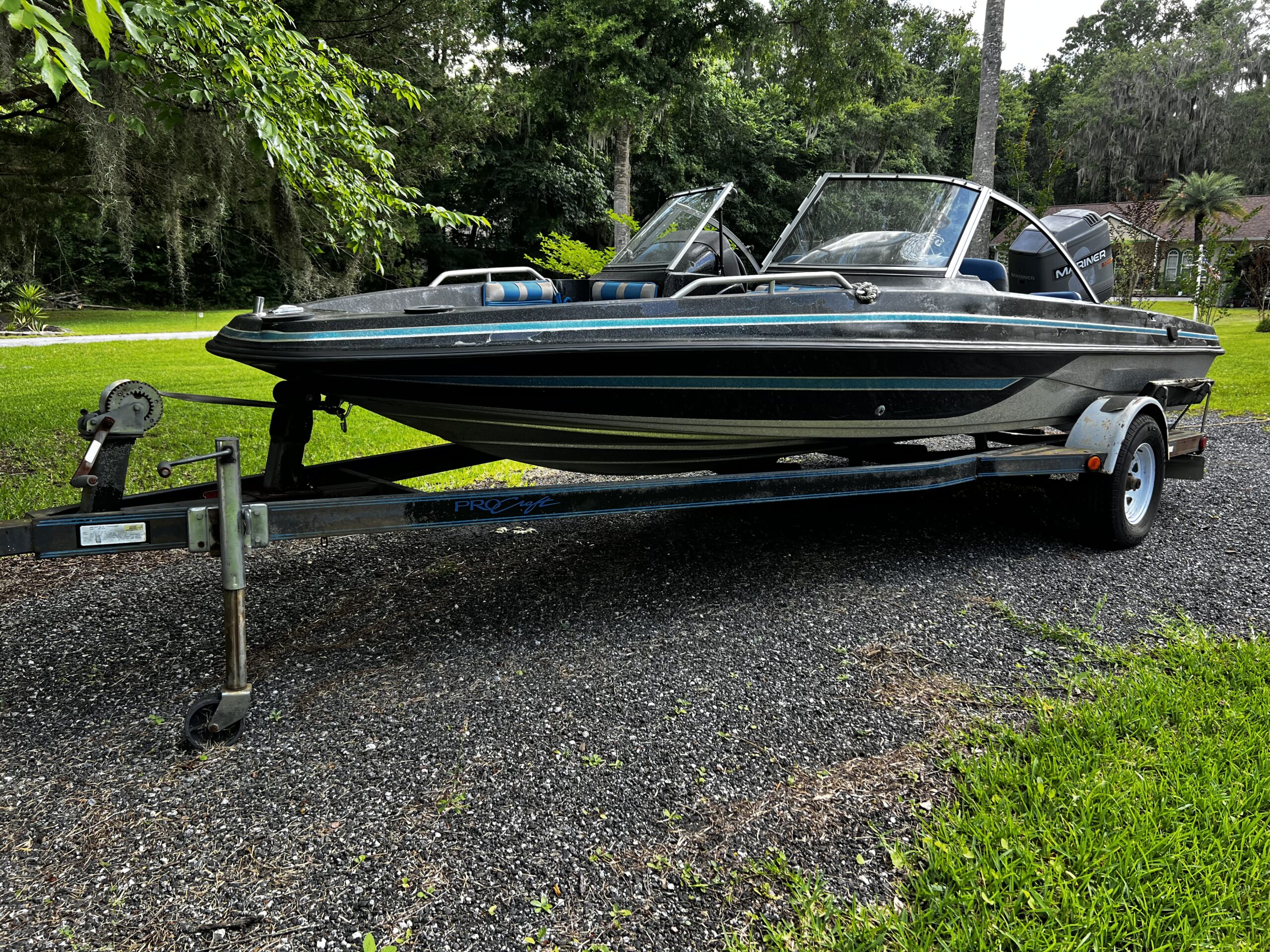
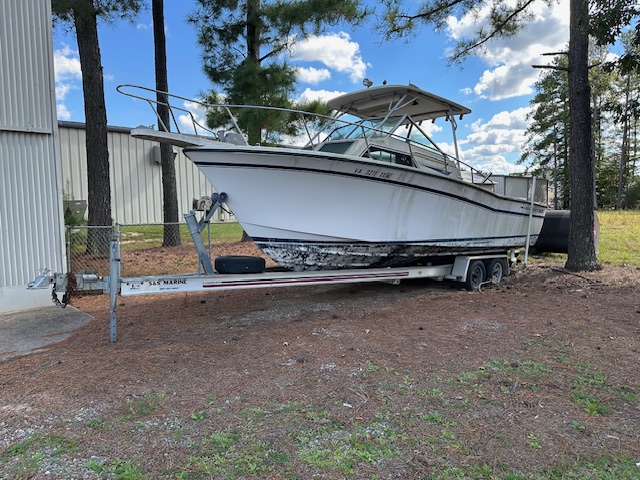
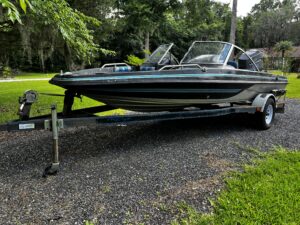
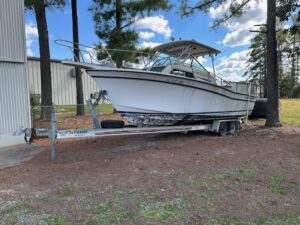
Fishing boats are common around Charleston, from smaller skiffs and aluminum boats to larger center consoles and offshore vessels. Saltwater exposure can eventually affect engines, wiring, steering systems, fuel components, hardware, and trailers.
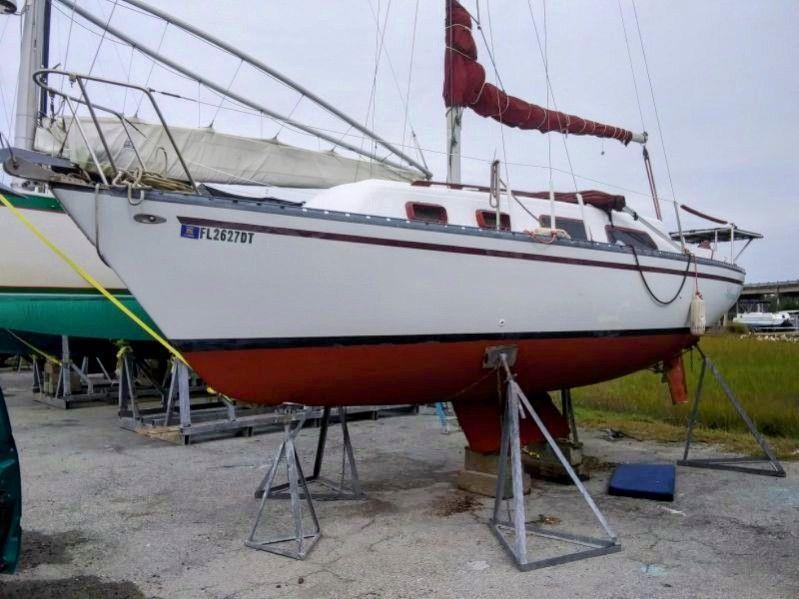
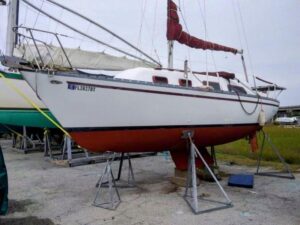
Sailboats and larger cruisers can present another level of difficulty because of their length, beam, keel, mast, rigging, cabin equipment, and weight. Before moving one, the removal team needs to understand how the vessel is supported and how it can be accessed.
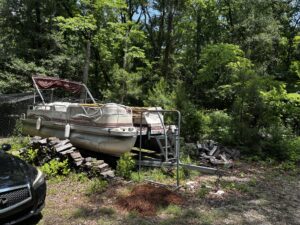
Boat Removal Service evaluates fishing boats, sailboats, cruisers, pontoons, fiberglass boats, aluminum vessels, and other recreational boats individually rather than treating every removal as a standard tow.
Fiberglass Boat Disposal in Charleston
Fiberglass boats can remain structurally recognizable long after the vessel’s useful life has ended. The hull may still be present even when the engine, electronics, interior, trailer, and other systems are no longer worth repairing.
An unwanted fiberglass boat may contain marine engines, aluminum, copper wiring, stainless steel hardware, batteries, fuel tanks, propellers, electronics, and other components. Different materials can require different handling after the boat is removed.
For the owner, the immediate issue is usually getting the vessel off the property and ending the ongoing storage problem. Professional fiberglass boat removal can help accomplish that without leaving the owner responsible for moving the vessel alone.
Storm-Damaged Boat Removal
Charleston’s coastal location exposes boats to hurricanes, tropical storms, flooding, heavy rain, wind, and storm surge. A vessel can suffer serious damage while stored at a marina, dock, residence, or commercial property.
Storm damage may include:
- Cracked or breached hulls
- Flooded interiors
- Engine damage
- Broken windows
- Displaced equipment
- Damaged trailers
- Dock impact
- Water intrusion
After severe weather, damaged boats can become difficult obstacles for homeowners and marine facilities. Insurance or ownership requirements may need to be handled before disposal, but once the proper authorization is in place, professional hauling can help clear the vessel.
How Much Does Boat Removal Cost in Charleston?
There is no single price for every Charleston boat removal. A small boat on a usable trailer and an accessible driveway is a different job from a large, damaged sailboat at a marina.
Factors that can affect the cost include boat size, weight, construction, condition, trailer condition, pickup location, accessibility, distance, and equipment requirements.
A boat may also require additional preparation if it is severely damaged or positioned where conventional hauling equipment cannot reach it.
An evaluation of the actual vessel and pickup location provides a more useful starting point than a generic price estimate.
Abandoned and Inherited Boat Removal
Abandoned boats can create problems for property owners, marinas, and businesses. Before arranging removal, the person requesting service should confirm that they have the legal authority to dispose of the vessel. Title, registration, liens, ownership, and facility agreements can matter depending on the circumstances.
Inherited boats can create a similar issue. An estate may contain a vessel that the new owner does not want to maintain or store. An old boat may also need to be removed before a property is sold or transferred.
Boat Removal Service can handle the physical hauling once the appropriate authority to remove the vessel has been established.
Commercial Boat Removal for Charleston Businesses
Boat removal is also a concern for marine businesses, storage operators, property managers, and other commercial owners. An obsolete vessel can occupy space that is needed for customers, equipment, vehicles, or new projects.
Commercial removal projects may involve old inventory, failed restoration projects, damaged boats, non-running vessels, or boats left behind with proper authorization. Removing these vessels can make a facility easier to manage and can restore usable storage or working areas.
The same planning principles apply to commercial sites: the boat’s dimensions, condition, support system, loading access, and surrounding property should be considered before hauling.
What Happens to a Boat After Removal?
The handling of a removed boat depends on its construction, condition, and components. Older vessels can contain materials such as aluminum, copper, stainless steel, marine hardware, engines, batteries, propellers, and trailer parts.
Some components may be suitable for salvage or scrap, while severely deteriorated portions may require appropriate disposal. Fiberglass hulls can require different handling from metal boats.
The important point for a property owner is that the vessel is no longer sitting on the property taking up space. Once the boat has been removed, the owner can move forward with using the driveway, storage area, marina position, or commercial property for its intended purpose.
Frequently Asked Questions
Can you remove a boat that does not run?
Yes. Non-running boats are common removal projects. The loading method depends on the boat and its location.
Do you remove boats without trailers?
Yes. A failed or missing trailer does not automatically prevent removal. Access and vessel condition determine the appropriate approach.
What types of boats can you haul away?
Removal projects can include fishing boats, center consoles, sailboats, pontoons, cruisers, fiberglass boats, aluminum boats, personal watercraft, and other recreational or commercial vessels.
Can you remove a boat from a marina?
Yes, when the person arranging the removal has authorization and the facility permits the work. Marina access and scheduling can be coordinated as part of the project.
Can you remove storm-damaged boats?
Yes. Damaged vessels can be evaluated after hurricanes, tropical storms, flooding, storm surge, or other events.
How do I get rid of an old boat in Charleston?
Confirm your authority over the vessel, gather basic information about its size and location, and arrange a removal evaluation. The appropriate hauling method can then be determined.
Serving Charleston and Nearby Lowcountry Communities
Boat removal needs extend throughout the Charleston region. Boat Removal Service can assist customers in communities including Mount Pleasant, North Charleston, West Ashley, James Island, Johns Island, Daniel Island, Folly Beach, Isle of Palms, Sullivan’s Island, Goose Creek, Hanahan, and Summerville.
A boat stored in a suburban driveway may require a different solution from one sitting beside a tidal creek or inside a marina. Local access, surrounding structures, and the vessel’s condition all influence the removal plan.
Get Your Unwanted Boat Out of Charleston
An unwanted boat rarely becomes easier to deal with as it sits year after year. Trailers corrode, engines deteriorate, interiors absorb moisture, and fiberglass remains exposed to the coastal environment.
If a boat has become an expensive repair project, an unwanted inherited item, a storm-damaged vessel, or simply something taking up valuable space, professional removal can provide a practical way forward.
Boat Removal Service provides boat hauling and disposal solutions for authorized customers throughout Charleston and the surrounding Lowcountry.
If you’re ready to clear the driveway, reclaim storage space, or remove an aging vessel from a marina or waterfront property, arrange your Charleston boat removal and start the process of getting the boat hauled away.